
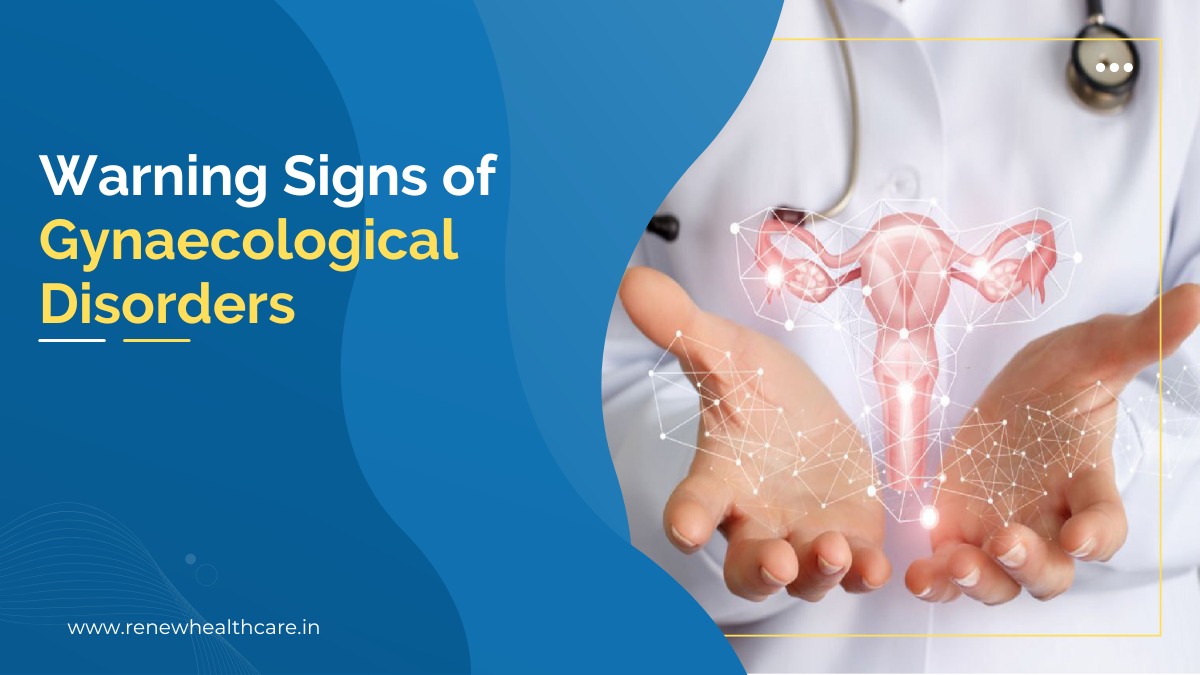
Most women have done this at some point, ignore a small discomfort and brushed it off as “normal”. But not every cramp, irregular cycle, or unusual symptom is harmless. Many gynaecological disorders are often misunderstood, misdiagnosed, or simply ignored until they turn into something harder to manage. In this article, we’ll explore the early symptoms of gynecological problems that should not be taken lightly.
From irregular periods and pelvic pain to discomfort during painful intercourse, these are often your body is trying to flag. Through informative insights and expert advice of fertility specialists in Kolkata at Renew Healthcare, we’ll shed light on common gynaecological disorders such as endometriosis, polycystic ovary syndrome (PCOS), and pelvic inflammatory disease (PID).
← Back to all blogsCommon Gynaecological Disorders and Their Symptoms
Here’s a closer look at some of the most common lists of gynecological problems women experience, along with the signs your body may be trying to flag early on.1. Endometriosis
Endometriosis is a gynecological disease where the tissue similar to the lining of the uterus grows outside of it. Symptoms of endometriosis include severe menstrual pain, heavy bleeding, pain during intercourse, and infertility. It’s one of those female gynecology problems that often gets dismissed as “just bad cramps”, which delays diagnosis. Because of this, doctors often rely on procedures like laparoscopy treatment in Kolkata to get a clearer, more accurate diagnosis, especially when symptoms persist and don’t respond to basic treatment.2. Polycystic ovary syndrome (PCOS)
PCOS is one of the most common gynaecology problems affecting women today. It’s a hormonal imbalance that can cause irregular periods, acne, weight gain, and unwanted hair growth. Many women notice it when periods stay irregular or getting pregnant takes longer than expected. Getting the right PCOS treatment in Kolkata or your city early can help manage it better.3. Pelvic inflammatory disease (PID)
PID is another serious gynec issue if left untreated. It starts when bacteria travel from the vagina to the uterus, fallopian tubes or ovaries. You might notice lower abdominal pain, unusual discharge, fever, or pain during intercourse. If it’s left untreated, it can lead to long-term gynae issues like infertility or ongoing pelvic pain.4. Heavy Periods (Menorrhagia)
If you find yourself changing pads very frequently or bleeding for more than 7 days, it could point to an underlying gynecological disorder like fibroids or hormonal imbalances and may also be a sign that you need to explore options for painful period treatment in Kolkata.5. Uterine Fibroids
Fibroids are quite common and are non-cancerous growths in the uterus. Some women don’t even realise they have them. Others may experience heavy bleeding, a feeling of pressure, or frequent urination. Depending on their size and symptoms, they may or may not need treatment.6. Ovarian Cysts
Ovarian cysts are fluid-filled sacs on the ovaries. Most of the time, they come and go without causing trouble. But in some cases, they can lead to bloating, pelvic pain, or changes in your cycle. Persistent cysts can become a more serious gynaec issue if not monitored.7. Cervical Cancer
Cervical cancer is one of the more serious women's gynecological problems but is highly preventable with regular screening. Warning signs include abnormal bleeding, pelvic pain, and unusual discharge. Early detection plays a huge role in successful treatment.8. Vaginal Infections
Vaginal infections can include yeast infections, bacterial vaginosis, or sexually transmitted infections. Symptoms often include itching, irritation, unusual discharge, or odour. These female gynae problems are usually treatable but shouldn’t be ignored.9. Menopause & Perimenopause
This natural phase of life brings in a range of gynecology problems like irregular periods, hot flashes, mood swings, and vaginal dryness. While it’s not a disease, the symptoms can affect daily life and may need medical support often best guided by a menopause management specialist in Kolkata.10. Pelvic Organ Prolapse
Pelvic organ prolapse happens when the muscles supporting organs like the uterus or bladder weaken. It’s more common after childbirth or with age. Some women feel a heaviness, while others notice discomfort or issues while urinating. Not every woman will have all these or even the same symptoms, and that’s exactly why paying attention to even small changes matters. If something feels off, it’s worth checking. Acting early can stop things from getting complicated later.Understanding The Importance Of Early Detection Of Gynecology Problems
Detecting gynecology problems early changes how easy they are to manage and treat. Here’s what really matters:- Routine health check ups help spot hidden gynecological diseases before they become serious. Screenings like Pap smears and pelvic exams can detect early signs of cervical cancer.
- Changes in your menstrual cycle, pelvic pain, unusual discharge, or irregular bleeding are common symptoms of gynecological problems. If something doesn’t feel right then, get it checked to eliminate any doubts.
- What seems like a minor gynec issue today could be an early sign of a serious condition if left untreated.
- Timely diagnosis reduces complications, supports fertility, and helps you avoid long-term discomfort.
Seeking Medical Help And Diagnosis
Pay attention to what your body is trying to tell you, act early, and don’t wait for symptoms to get serious. Getting the right help early makes a big difference in managing gynecology problems.- Your doctor will usually ask about your symptoms, cycle, and medical history first to get the full picture of your gynecological disorders.
- A pelvic exam helps assess the health of your reproductive organs and identify any visible concerns.
- Depending on your symptoms, you may be advised to undergo blood tests, ultrasounds, or scans to confirm specific gynecological diseases.
- Even small details matter. Honest conversations help your doctor accurately identify gynec issue patterns and recommend the right treatment.
- Getting a diagnosis early makes it easier to manage gynecological problems and prevents complications later.
Treatment Options For Gynecological Disorders
Treatment for gynecological disorders usually depends on what exactly is causing the problem and how much it’s affecting you.- Hormonal treatments like birth control pills or progesterone are commonly used for irregular periods, PCOS or managing endometriosis pain, while antibiotics are given for infections and conditions like PID.
- If medications are not enough, doctors might suggest minimally invasive procedures as a next step. Techniques like laparoscopy or hysteroscopy are used to treat issues such as fibroids, cysts, or uterine polyps and they don’t need major surgery.
- For more serious cases, surgery may be required. This could include removing fibroids, treating severe endometriosis, or, in some situations, procedures like hysterectomy (removal of the uterus).