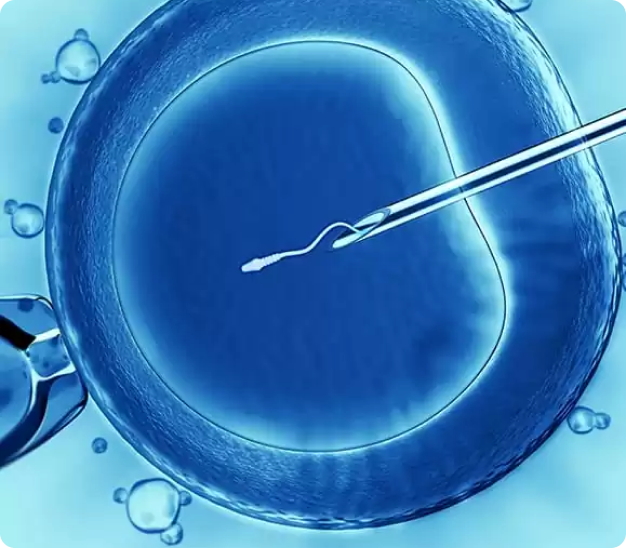
3 Months Course on Reproductive Medicine
Home / 3 Months Course on Reproductive Medicine

3 Months Course on Reproductive Medicine

Fellowship Programs

3 Months Course on Reproductive Medicine

Course Name: 3 Months Course on Reproductive Medicine

3 Months Course on Reproductive Medicine

Course Details

  • Duration of the Course : Three months
  • Fees for Indian nationals : INR 100,000
  • Fees for Internationals : INR 150,000
  • Eligibility : MD/MS/DNB in Gynaecology
  • Mode : Off line, in campus
  • Apply Now: https://docs.google.com/forms/d/e/1FAIpQLSfQbesfsu9E9DGeKGb1Pj8BMYQfXK2eKiGBhxDsX663ajsPWg/viewform
  • Syllabus

    Part 1 Basic Sciences:Part 1 Basic Sciences:

  • Anatomy : Male and Female genital tract
  • Physiology : Menstrual cycle / ovulation
  • Endocrinology : Relevant to human reproduction – Pituitary hormones / Thyroid function / Control of reproduction
  • Embryology : Cell cycle, gametogenesis, Fertilization & cleavage structure of sperm and oocytes
  • Genetics : Nomenclature / Basic principles prenatal diagnosis
  • Laboratory equipment
  • Andrology : Spermatogenesis, Semen Analysis Components, Sperm function tests.
  • Part 2 Infertility:Part 2 Infertility:

  • Broad outlines of causes of male and female.
  • Causes and Evaluation of male and female infertility.
  • Part 3 Assisted Reproductive Technology:Part 3 Assisted Reproductive Technology:

  • Evolution
  • Different technologies
  • Part 4 Andrology Laboratory:Part 4 Andrology Laboratory:

  • Semen analysis
  • Processing sperm for various procedures – intrauterine insemination
  • Part 5 Embryology Laboratory (Only Theory):Part 5 Embryology Laboratory (Only Theory):

  • Culture media Egg
  • Identification
  • Insemination
  • Fertilization and cleavage check.
  • Embryo transfer technique Blastocyst
  • Culture
  • Part 6 Ethical principles in ART:Part 6 Ethical principles in ART:

  • ART Act and Surrogacy Act
  • After Completion

    After completion of the course the reproductive medicine specialist will be proficient in the following areas of learning:After completion of the course the reproductive medicine specialist will be proficient in the following areas of learning:

    Minimally invasive surgery (Theory and Observation):Minimally invasive surgery (Theory and Observation):

  • Proficient in the principles and practice of diagnostic and operative laparoscopy for infertility like release adhesions / cystectomy / endometriosis, etc.
  • Proficient in the principles and practice of diagnostic and operative hysteroscopy for infertility like removal of foreign body, polyps, biopsy / septum resection / adhesiolysis / cannulation of ostium
  • Reproductive Endocrinology including laboratory techniques:Reproductive Endocrinology including laboratory techniques:

  • Attain expertise in the use of ovulation inducing agents and hormonal control of the menstrual cycle.
  • Follicular recruitment and retrieval procedures
  • Understand and be able to manage OHSS.
  • Trans Vaginal Ultrasonography with particular reference to follicular monitoring
  • Luteal Phase Support
  • Andrology:Andrology:

  • With reference, maintenance and trouble shooting.
  • Laboratory Technology:Laboratory Technology:

  • Familiarity with – Laboratory equipment, maintenance
  • Overview of ART procedures carried out like semen preparation, oocyte identification and grading, embryo grading, micromanipulation, cell culture.
  • Log book:Log book:

  • To be maintained to ensure practical exposure.
  • Suggested Minimal Requirements

  • Minimally Invasive Surgery
  • Assist/Observe
  • 5 diagnostic laparoscopies
  • 5 operative laparoscopies
  • Andrology
  • Observe: 2 PESA, TESA, TESE
  • IVF:
  • Observe : 10 Oocyte retrieval
  • Assist :5 Oocyte retrieval
  • Laboratory:
  • Observe 5 semen analysis & 5 sperm preparation
  • Perform 2 semen analysis & 2 sperm wash procedures
  • Follow up : 2 cases of IVF / ICSI patient preparation to embryo transfer (written records)
  • Counseling Sessions

    Counseling sessions : Observed 15 patients from initial visit/planning till OPUCounseling sessions : Observed 15 patients from initial visit/planning till OPU

    Observed 15 patients from Embryo transfer plan till embryo transfer:Observed 15 patients from Embryo transfer plan till embryo transfer:

  • Reproductive anatomy and physiology of the male and the female.
  • Reproductive endocrinology.
  • Gametogenesis.
  • Fertilization in vivo.
  • Implantation and early embryogenesis.
  • Pathology of infertility – Causes of infertility namely the ovarian, tubal, uterine, male factors, pathology that reduces fertility namely PCOS, endometriosis, fibroid, adenomyosis uterine anomaly etc.
  • Approach to investigate and diagnose sub-fertility.
  • Clinical decision making and choice of treatment.
  • Pharmacology – Pharmacological effects of the various drugs including the pharmacokinetics and pharmacodyanamics of the commonly used drugs.
  • Complication of ART procedure.
  • Ovulation induction during IUI and IVF procedures.
  • Ultrasound and other imaging modalities in infertility (only folliculometry)
  • Fundamental of the surgical procedures namely laparoscopy, hysteroscopy, myomectomy etc.(theory and observation)
  • Pre-conception evaluation and counseling.
  • Administration – Setting up the ART unit, quality control and assurance, creating protocol for management and organizing and coordinating of clinical meetings.
  • Counseling of the infertile couple Implicative, therapeutic, ethical and social.
  • Components Of The Fellowship

    1. Ovulation induction protocols1. Ovulation induction protocols

    The trainees work in the hospital out-patient unit where they share the responsibility with the consultant in the evaluation of the infertile couple, participateThe trainees work in the hospital out-patient unit where they share the responsibility with the consultant in the evaluation of the infertile couple, participate in the decision making depending on the couple’s need, formulate a plan of action, pre-procedure assessment, counseling, protocol selection, monitoring the patient for response and early detection of side effect, etc. The trainee receives instruction and is guided by the consultant in acquiring the cognitive and technical skills for the various diagnostic and therapeutic procedures.

    Ultrasound and other imagingUltrasound and other imaging

    The trainee acquires special competence in ultrasound imagingfor folliculometry during stimulation.The trainee acquires special competence in ultrasound imagingfor folliculometry during stimulation.

    Clinical EmbryologyClinical Embryology

    4 days of observation of OPU; ICSI, Emryo transfer, fertilization check, embryo check.4 days of observation of OPU; ICSI, Emryo transfer, fertilization check, embryo check.

    Surgical trainingSurgical training

    The trainee is required to participate in the pre-procedure assessment; observe surgical procedure and the post operative follow up the patients who undergo laparoscopy, hysteroscopy and laparotomy.The trainee is required to participate in the pre-procedure assessment; observe surgical procedure and the post operative follow up the patients who undergo laparoscopy, hysteroscopy and laparotomy.


    Specific Objective Of The Fellowship

    The practice of reproductive medicine involves the following major subgroup of patients, namely:The practice of reproductive medicine involves the following major subgroup of patients, namely:

    Infertile couple with female factor:Infertile couple with female factor:

  • Anovulation, namely WHO type 1, 2, 3, 4.
  • Tubal factor namely with tubal obstruction, hydrosalpinx.
  • Uterine cavity abnormality both congenital and acquired (Fibroid, adenomyoma, septum and uterine malformations).
  • Endometriosis.
  • Endocrine abnormality (hyperprolactinemia, hyperandrogenism, etc).
  • Recurrent pregnancy loss.
  • Infertile couple with male factor:Infertile couple with male factor:

  • Obstructive azoospermia.
  • Non- obstructive Azoospermia.
  • Other sperm Abnormality (OATZ).
  • Endocrine abnormalities (hypogonadotrophic hypogonadism).
  • Couple with decreased gamete reserves to be offered donor gamete or embryo programme.Couple with decreased gamete reserves to be offered donor gamete or embryo programme.

    Evaluation of the donors with the counseling of the ethical and legal issues.Evaluation of the donors with the counseling of the ethical and legal issues.

    Academic Activities

  • Regular academic sessions – 3 sessions per week ( Teacher conducted)
  • Case discussions – One per week
  • Seminars – One per fortnight ( by student)
  • Reference Material And Examination

    Text Books:Text Books:

  • PRINCIPLES &PRACTICE OF ASSISTED REPRODUCTIVE TECHNOLOGY -kamini A rao
  • TEXTBOOK OF ASSISTED REPRODUCTIVE TECHNIQUES – DAVID.K.GARDNER
  • LABORATORY MANUAL IN ASSISTED REPRODUCIVE TECHNOLOGY – KAMINI A RAO
  • CLINICALGYNECOLOGIC ENDOCRINOLOGY&INFERTILITY- SPEROFF
  • Journals:Journals:

  • Fertility Sterility
  • Human Reproduction
  • Human Reproduction Update
  • Reproductive Biomedicine Online
  • Guidelines:Guidelines:

  • ESHRE
  • ASRM
  • Canadian Guidelines
  • Examination:Examination:

  • Theory : 100 marks
  • Practical : 1 long case, 1 short case
  • Viva
  • Renew Healthcare

    Talk to our team

    For appointments, treatment planning, and patient guidance.