
Meet Priyanka, who is a busy marketing professional in her early twenties. Her periods have slowly become heavier. They last longer, the cramping is bad, and by mid-afternoon, she’s exhausted in a way that sleep can’t fix.
She thinks it’s stress, but honestly, it isn’t. What Priyanka has and what nearly half of all women will develop at some point in their lives are uterine fibroids. Most women with fibroids don’t even realize they have them. Some find out during a routine scan, while others spend months attributing their symptoms to something else. If you have recently been diagnosed and do not know what it means, you have come to the right place. Let us walk you through everything, including what fibroids are, why they develop, what they feel like, and when is the right time to act.
Renew Healthcare is one of Kolkata’s leading women’s health centres. Our team of gynaecologists treats fibroids with personalised care at every stage.
← Back to all blogsWhat Are Fibroids and Why Do They Develop in the Uterus?
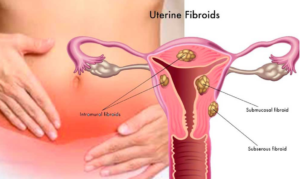
Uterine fibroids are also called leiomyomas. They are growths made of muscle and connective tissue that form in or on the wall of the uterus. The important thing to remember is that fibroids are almost always benign. They are not cancerous. In fact, the chance of a fibroid becoming cancerous is about 1 in 350, which is extremely rare. However, fibroids can range in size from a tiny seed to something as large as a watermelon. At times, they grow alone or in clusters. And, depending on where they are and how large they get, they can disrupt or affect an area of your life. Most fibroids commonly appear between the ages of 30 and 50, which are typically a woman’s reproductive years when hormone levels are highest.Causes and Risk Factors of Uterine Fibroids You Should Know
There isn’t a single exact fibroid cause, but research strongly points to hormones. Estrogen and progesterone are the hormones that regulate your menstrual cycle and appear to fuel fibroid growth as well. Fibroids grow during pregnancy when hormone levels spike. They shrink after menopause when hormone levels fall. Besides hormones, there are other risk factors as well that increase your chances of developing fibroids.- Family history: If your mother, sister, or aunt had fibroids, your risk goes up.
- Obesity: A higher body mass index is linked to higher oestrogen levels, which can stimulate fibroid growth.
- Early menstruation: Starting your period at a young age appears to increase lifetime exposure to oestrogen.
- Not having children: Pregnancy temporarily suppresses fibroid development.
- Late menopause: A longer reproductive window means longer exposure to hormonal fluctuations.
What are the different types of fibroids?
So, to answer your query “are fibroids harmful?”, the answer is not generic. Where a fibroid sits; inside or on your uterus determines what it’s called and what symptoms it produces.- Intramural Fibroids
- Submucosal Fibroids
- Subserosal Fibroids
- Pedunculated Fibroids
Common Uterine Fibroid Symptoms Women Should Not Ignore
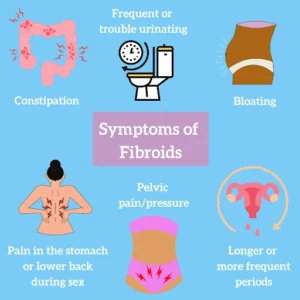
The tricky part is that many women with fibroids do not have any symptoms at all. They may find out during a routine ultrasound. But when symptoms appear, they can range from mild to life-disrupting.- Heavy and Prolonged Menstrual Bleeding
- Pelvic Pain and Pressure
- Frequent Urination
- Lower Back Pain
- Pain During Sex
- Bloating and Abdominal Enlargement
- Fatigue and Anaemia
- Complications During Pregnancy: In such case, you can get the best high rise pregnancy treatment in Kolkata from Renew Healthcare.
How are fibroids diagnosed?
Many fibroids are discovered during a routine pelvic examination. But imaging tests can help confirm the diagnosis correctly Ultrasound for Uterine Fibroids Diagnosis- Ultrasound is the most common test used for uterine fibroids diagnosis.
- There are two types:
- Abdominal ultrasound
- Transvaginal ultrasound for fibroids
- A transvaginal ultrasound provides a clearer and more detailed image, especially for fibroids located near the inner uterine lining.
- MRI scans provide detailed imaging and are useful for larger or complex fibroids.
- Hysteroscopy Treatment and Diagnosis for Fibroids
- Laparoscopy for Fibroid Evaluation and Removal
Uterine Fibroids Treatment Options: From Medication to Surgery
Treatment will depend on the size, number, and location of your fibroids.- Conservative Management
- Medications for Fibroids
- Over-the-counter pain relief
- Iron supplements
- Hormonal contraceptives
- GnRH agonists
- Elagolix
- Tranexamic acid
Natural Ways to Shrink Fibroids
If you are wondering how to shrink fibroids naturally, just read along. Lifestyle changes won’t eliminate fibroids, but they can help manage symptoms and reduce risk factors:- Maintaining a healthy weight
- A balanced, anti-inflammatory diet
- Regular exercise
Minimally Invasive Fibroid Procedures
For some women, minimally invasive options can offer effective treatment with faster recovery.- Uterine Artery Embolisation (UAE)
- Radiofrequency Ablation (RFA)
- Hysteroscopic myomectomy
- Laparoscopic myomectomy
- Surgical Fibroid Options: Myomectomy and Hysterectomy
Uterus Removal
This fibroid surgery option is typically considered when:- Fibroids are very large or numerous.
- Symptoms are severe and haven’t responded to other treatments.
- Future pregnancy is not desired.
When Should You Seek Treatment for Uterine Fibroids?
Early diagnosis can make a big difference in treatment prognosis. Women who are trying to conceive can consult the best IUI centre in Kolkata for fertility guidance if fibroids are affecting your reproductive health. You should consult a doctor if you experience:- Heavy or prolonged periods
- Severe pelvic pain
- Bleeding between periods
- Sudden abdominal enlargement
- Difficulty urinating
- Pain during sex
- Constant fatigue from blood loss
- Difficulty getting pregnant