How Thyroid Hormones Impact Women’s Health
In India, nearly 42 million people are estimated to be living with thyroid conditions. Globally, this number is around 200 million people. With rising cases of thyroid problems in women, learning how to manage TSH levels in females naturally and medically is very important for improving long-term hormonal health.
The thyroid is a small butterfly-shaped gland located in the neck that plays a major role in regulating metabolism, hormones, energy levels, mood, fertility, and menstrual health.
Your thyroid produces two key hormones: T3 (triiodothyronine) and T4 (thyroxine).
There are two primary types of thyroid dysfunction:
- Hypothyroidism (underactive thyroid): The gland produces too little hormone, slowing down bodily functions.
- Hyperthyroidism (overactive thyroid): The gland produces too much hormone, causing the body to work in overdrive.
What are Common Thyroid Symptoms in Women
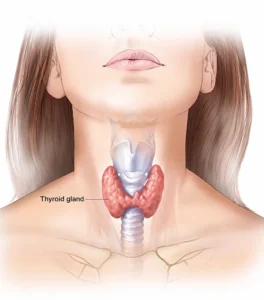
Thyroid disorders are especially difficult to recognise because the symptoms creep in slowly. Women tend to spend months and even years blaming stress, exhaustion, or ageing for their symptoms before they realise that the thyroid may be involved. Here are some thyroid symptoms that you can look out for:
Underactive Thyroid Symptoms in Women (Hypothyroidism)
- Persistent fatigue
- Unexplained weight gain
- Dry skin, brittle nails, and hair thinning
- Sensitivity to cold
- Depression or low mood
- Irregular or heavy periods
- Difficulty concentrating ('brain fog')
- Slowed heart rate
Signs of Overactive Thyroid in Women (Hyperthyroidism)
- Unintentional weight loss
- Rapid or irregular heartbeat
- Excessive sweating and heat sensitivity
- Nervousness and anxiety
- Difficulty sleeping
- Frequent bowel movements
- Thyroid and hair loss in women
Since thyroid hormones have a direct impact on ovulation and fertility health, thyroid levels in women should be one of the first things evaluated, especially while considering treatments like IVF or IUI at the
best IUI centre in Kolkata.
Discovering a thyroid imbalance can be a daunting part of their fertility journey, but the reassuring thing is that timely diagnosis and proper treatment for thyroid-related fertility challenges can often be managed effectively.
6 Effective Ways to Manage Thyroid in Women
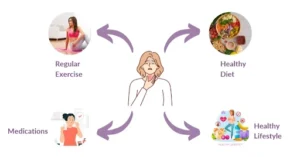
No matter if you are managing an existing diagnosis or trying to understand how to control thyroid levels proactively, these six strategies can make a big difference.
1. Eat a Thyroid-Supportive Diet
Food is one of the most powerful tools in thyroid management.
Things to Include in your diet:
- Iodine-rich foods: fish, dairy, and iodised salt
- Selenium sources: Brazil nuts, sunflower seeds, and legumes (selenium supports the conversion of thyroid hormones)
- Zinc-rich foods: whole grains, lean meats, and pumpkin seeds, which aid hormone production
- Vitamin D: supports immune regulation, which may help prevent autoimmune thyroid conditions
- Iron: found in lean meats, spinach, and fortified cereals
Pro food tip: Limiting highly processed foods may support overall metabolic health, especially in people managing thyroid-related weight changes or inflammation.
2. Be Mindful of Your Iodine Intake
One contributing factor to thyroid dysfunction in women can be an iodine imbalance. Deficiency slows hormone production; excess can trigger or worsen autoimmune thyroid disorders like Hashimoto's or Graves' disease.
3. Exercise Regularly
Regular exercise may help improve energy levels, metabolism, and overall well-being in people managing thyroid disorders. This is especially relevant for women wondering how to reduce thyroid level impact on metabolism.
Here is a well-rounded routine that can work best for you:
- Cardiovascular workouts to boost metabolism
- Strength training to support muscle mass
- Flexibility exercises like yoga, which also benefit stress levels
4. Manage Stress
When the body is under sustained stress, cortisol levels rise, which interferes with thyroid hormone production and conversion.
Here are some effective ways to manage stress for thyroid health:
- Meditation and mindfulness practices
- Deep breathing exercises
- Yoga
- Prioritising hobbies and creative outlets
- Adequate rest and downtime
5. Prioritise Quality Sleep
Sleep is when the body repairs, recalibrates, and regulates hormone production. Sleep disturbances are often one of the earliest signs of thyroid dysfunction. Aim for 7 to 9 hours of quality sleep each night.
6. Get Regular Checkups
A simple thyroid function test (measuring TSH, T3, and T4 levels in the blood) can give you a clear picture.
Women should consider routine thyroid screening, especially if they:
- Have a family history of thyroid disorders
- Are pregnant or planning to conceive
- Are undergoing fertility treatments such as IVF or ICSI
- Have recently experienced significant stress, weight changes, or menstrual irregularities
- Are approaching or have entered perimenopause
Treatment Options for Thyroid Disorders in Women
Lifestyle changes are powerful, but for many women, they work best alongside medical treatment.
If you are wondering how to control TSH level specifically, medication adherence, as prescribed by your doctor, is key.
Thyroid health is also closely tied to fertility. If you are going through challenges in conception, thyroid screening should be part of your pre-conception screening available at leading centres such as the
IVF centre in Kolkata that offers comprehensive hormonal assessment.
Conclusion
The fatigue you dismiss, the weight that will not budge, the mood that keeps shifting- these are not just inconveniences but signs worth paying attention to.
For women especially, the thyroid can ripple into fertility, mood, and overall vitality. Therefore, proactive care is one of the most meaningful investments you can make in your long-term health.
Frequently Asked Questions (FAQs)
- Can thyroid problems affect periods in women?
Both hypothyroidism and hyperthyroidism can disrupt menstrual cycles. An underactive thyroid often leads to heavy or irregular periods, while an overactive thyroid may cause very light or infrequent periods.
- What foods should women avoid with thyroid problems?
Women with thyroid conditions, particularly hypothyroidism, are often advised to limit raw cruciferous vegetables (like cabbage and broccoli) in very large amounts, soy products in excess, processed and refined foods, and high-iodine supplements unless prescribed.
- How often should women get their thyroid levels checked?
Women with a known thyroid disorder should get tested every 6 to 12 months, or as recommended by their doctor. For women without a diagnosis but with a family history, fatigue, menstrual irregularities, or fertility concerns, an annual check is a reasonable baseline.
- Which vitamins are important for thyroid health?
Vitamin D helps regulate the immune system and may reduce the risk of autoimmune thyroid disorders. Vitamin A supports thyroid hormone metabolism. Iron is essential for hormone production. Selenium helps convert T4 to the active T3 hormone, while zinc is needed for hormone synthesis.
Popular Searches
ICSI Treatment in Kolkata |
Egg Freezing Centre in Kolkata |
Sperm Freezing in Kolkata |
Painful Periods Treatment in Kolkata |
Infertility Specialist in Jamshedpur |
Gynaecologist in Kolkata |
Hysteroscopic Surgeon in Kolkata |
IVF cost in Kolkata
Popular Blogs
Sperm Life Span in Female Body |
Foods To Avoid After Embryo Transfer |
Intralipid Infusion Uses |
Why IUI Fails: Reasons Explained |
How To Fix Low Sperm Count |
Ideal AMH Level For Pregnancy |
What Is Vasectomy And Tubectomy
Disclaimer: The content shared by Renew Healthcare is intended for informational purposes only and should not be considered medical advice. For accurate diagnosis and personalized fertility care, please consult a qualified healthcare professional.