
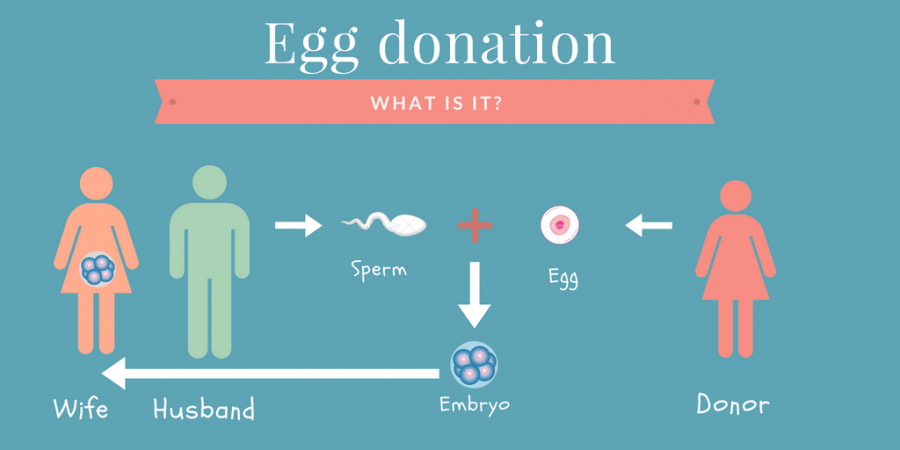
Egg Donation is when a woman donor provides her eggs to another woman, helping her to conceive. It is an efficient process that is a part of assisted reproductive technology, also known as ART.
What Is the Egg Donation Process?
In this procedure, the doctor removes eggs from the donor after her ovarian stimulation and fertilizes the eggs with the recipient’s husband's sperm in the laboratory.
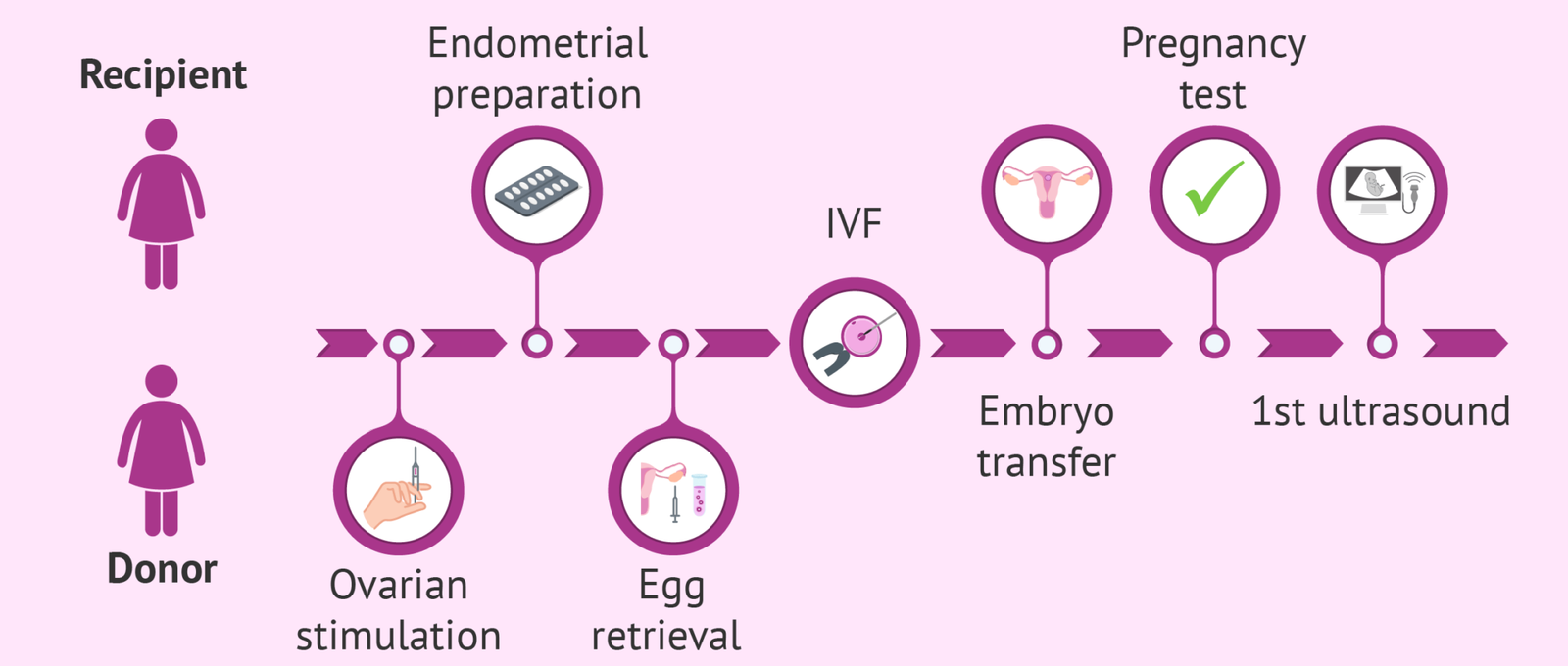
After complete fertilisation, the embryo is then placed in the womb of the recipient woman. Women who have a poor ovarian reserve or have medical issues with pregnancy use this method to conceive.
This is a very successful and cost-effective process in ART, especially for elderly couples. With the advancement in medical technology, numerous doctors recommend egg donation for women who seek IVF treatments.
Egg Donation Procedure Explained Step by Step
When you know about the egg donation procedure step by step, it can help reduce anxiety and make the process easier to follow.
Step 1: Fertility Consultation and Evaluation
The journey begins with a detailed consultation. Fertility specialists evaluate:
- Medical history
- Hormonal health
- Uterine condition
- Previous fertility treatments
- Male fertility factors
After that, the doctor explains whether donor egg IVF is the right option for the couple or not.
Step 2: Donor Selection
One of the most important parts of women's egg donation is selecting a suitable donor.
All donors undergo:
- Medical screening
- Infectious disease testing
- Genetic evaluation
- Psychological assessment
The donor’s age, health, and egg quality play a major role in treatment outcomes.
Step 3: Ovarian Stimulation of the Donor
The donor receives fertility medications to stimulate the ovaries and help produce multiple mature eggs.
During this phase:
- Blood tests are performed regularly
- Ultrasounds monitor follicle growth
- Doctors carefully track the donor’s response
Step 4: Egg Retrieval Procedure
Once the eggs are mature, doctors collect them using a minor procedure performed under sedation.
So, if you are wondering, “Is donating eggs painful?” In most cases, the procedure causes minimal discomfort, but serious complications are uncommon when performed at experienced fertility centres.
Step 5: Fertilisation in the Laboratory
The retrieved eggs are fertilised with sperm in the embryology laboratory.
Depending on the couple’s fertility condition, doctors may recommend:
- IVF
- ICSI Treatment in Kolkata
- Sometimes even advanced fertility preservation techniques
The fertilised eggs then develop into embryos under controlled laboratory conditions.
Step 6: Embryo Transfer
After embryo development, the healthiest embryo is transferred into the recipient’s uterus. This is a simple and usually painless procedure performed without surgery.
The remaining healthy embryos may sometimes be frozen for future use at an Egg Freezing Centre in Kolkata.
Step 7: Pregnancy Test and Follow-Up
Around two weeks after embryo transfer, a pregnancy test confirms whether implantation has occurred successfully.
For many couples, this becomes the moment hope finally starts feeling real.
Donor Egg Success Rates
The success rate of using egg donation ranges between 49-50%. When a couple recommends the use of egg donation, the doctors and medical assistants conduct an in-depth selection process to help find a suitable donor.
For the donor to go through hyperstimulation, they have to consume different fertility drugs. This will help them produce several eggs at once.
Factors Affecting Egg Donation Success Rates
The egg donation treatment offers high success rates, but there are several factors that can influence the final outcome.
1. Donor Age and Egg Quality
The younger and healthier the donor, the better the chances of successful fertilisation and pregnancy.
2. Embryo Quality
Healthy embryo development directly impacts implantation and pregnancy success. Proper laboratory conditions and experienced embryologists play an important role here.
3. Recipient’s Uterine Health
Even though donor eggs are used, the uterus still needs to support implantation and pregnancy successfully.
4. Lifestyle and Overall Health
Smoking, stress, poor diet, obesity, alcohol, and environmental pollution may negatively affect fertility outcomes.
5. Expertise
Experienced specialists at trustedIVF clinics in Kolkata carefully manage every stage of treatment to improve success rates and reduce complications.
Benefits and Risks in Egg Donation
The donor egg IVf process has these potential benefits and risks:
|
Benefits of Egg Donation |
Possible Risks and Side Effects |
|
High pregnancy success rates |
Mild bloating or cramping after egg retrieval |
|
Helps women with low ovarian reserve conceive |
Temporary hormonal side effects |
|
Useful for age-related infertility |
Emotional stress during treatment |
|
Lower risk of genetic disorders from recipient |
Rare complications from ovarian stimulation |
|
Advanced fertility option with proven results |
Multiple pregnancy risk in some IVF cycles |
Egg life cycle :
Throughout the cycle, the donor has to undergo a series of blood tests and ultrasound, which will help the doctor identify any abnormalities during this procedure.
The Egg Donors are registered Donors who have been medically screened and selected with very good egg quality and also appropriate looks.
Who Should Consider Egg Donation Treatment
Egg donation treatment can be recommended for women who:
- Have poor ovarian reserve
- Experience premature ovarian failure
- Have repeated IVF failure
- Carry genetic disorders
- Have age-related decline in egg quality
- Have undergone chemotherapy or ovarian surgery
Final Verdict
Coming to the final verdict the Eggs donation process is very much helpful for the couples dealing with infertility.
It is a painless process for the couples; the donor just has to go through certain procedures for the final process to continue with IVF, IUI or ICSI which depends on the situation of the patient.
Hope this blogwill help the couples who are intending for baby planning .
For Consultation contact Renew Healthcare – Best IVF Centre in Kolkata
FAQs
1. What is egg donation procedure and how does it work?
In the egg donation procedure eggs are retrieved from a healthy donor, fertilised with husband’s sperm in a laboratory, and then transferred into the recipient’s uterus through IVF treatment.
2. What are the steps involved in the egg donation process?
The donor egg IVF process includes donor screening, ovarian stimulation, egg retrieval, fertilisation, embryo development, embryo transfer, and pregnancy confirmation.
3. What is the success rate of egg donation treatment?
Average donor egg success rates range between 49%–50% per treatment cycle. This rate depends on donor age, embryo quality, and overall fertility health.
4. Who can opt for egg donation in fertility treatment?
Women with low ovarian reserve, repeated IVF failures, premature ovarian insufficiency, genetic concerns, or age-related infertility can consider egg donation treatment.
5. Are there any risks or side effects of egg donation?
Most women experience mild temporary side effects like bloating or cramping. Serious complications are rare when treatment is done by experienced fertility specialists.
Popular Searches
Best Andrology Clinic In Kolkata | Sperm Freezing In Kolkata | Surrogacy In Kolkata | Fertility Specialist In Kolkata
Popular Blogs
Sperm Life Span In Female Body | Foods To Avoid After Embryo Transfer | Intralipid Infusion Uses | Why Iui Fails: Reasons Explained | How To Fix Low Sperm Count | Ideal Amh Level For Pregnancy