Key Takeaways
- About 10% of women of reproductive age worldwide have endometriosis
- Pain from the condition can be way out of proportion to how bad the disease is tiny lesions can cause awful pain, and vice-versa
- 20-25% of cases are completely asymptomatic, the woman doesn’t feel any pain or have any symptoms
- A lot of women manage their symptoms on their own using hormone treatments, lifestyle changes and fertility treatments and don’t need surgery
In This Article
Endometriosis can feel extremely unpredictable. One woman can be laid low by brutal pelvic pain, while another woman has the condition but not a single symptom. Understanding the endometriosis meaning helps women recognize that this condition affects each individual differently and may present with varied symptoms.
Getting a diagnosis takes an average of 4 to 11 years. Your experience, whether loud or quiet, is real. And I know a lot of women find real hope beyond surgery. So let’s take this journey together, with plenty of care and clarity.
What Is Endometriosis?
This condition affects women in lots of different ways. Understanding the basics will empower you to figure out who to turn to for support.
What Does Endometriosis Mean and What’s The Overview?
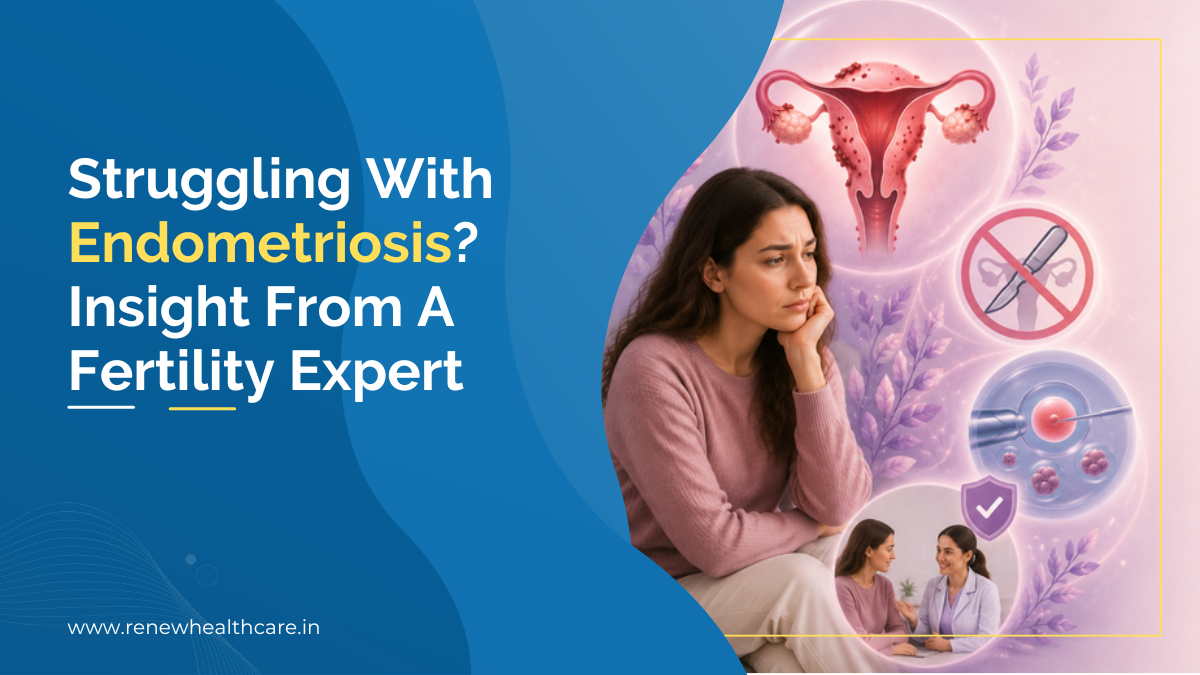
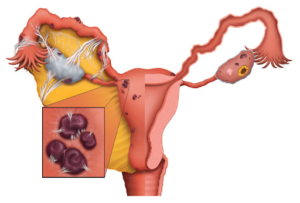
Endometriosis is a condition where some of the tissue in your uterus starts growing outside of it, often on your ovaries, fallopian tubes or the lining of your pelvis.
And just like the tissue inside your uterus, this misplaced tissue gets all inflamed and bleeds every month, but then it has no way out. That causes scarring and adhesions, which can cause all sorts of problems.
How Common Is Endometriosis in Women?
Like
10% of women of reproductive age have it worldwide. Symptoms usually become most noticeable between 25-35 years old, but often stay hidden for many years.
How Does Endometriosis Affect the Reproductive System?
It can cause all sorts of problems like inflamed tissues, blocked tubes, or even problems with egg quality. But still, a lot of women manage to get pregnant with some help.
And here’s the thing, each woman’s symptoms are going to be totally different. Some will be super obvious, while others will be completely hidden. So let’s take a look at what to keep an eye out for.
What Are The Common Endometriosis Symptoms
Your symptoms or the lack of them are totally valid. Every woman’s experience with endometriosis is unique.
-
Pain-Related Symptoms to Watch Out For
- Pelvic pain that worsens during periods
- Discomfort during sex, bowel movements, or urination
- Fatigue, bloating, and nausea
- The thing is, with endometriosis, the amount of pain you feel doesn’t necessarily match how bad the disease actually is. You can have really bad pain with barely any symptoms at all, or lots of symptoms with hardly any pain.
-
Menstrual and Pelvic Changes
- Really heavy or irregular bleeding
- Spotting in between periods
- Persistent tenderness in your pelvis
-
Signs That Might Affect Fertility
Some women won’t have any symptoms at all, that’s called silent or asymptomatic endometriosis. In fact, it’s estimated that 20-25% of cases are completely symptom-free.
You might only find out you have it when you go for a fertility check. Whatever your case, your body still deserves attention.
All this variation makes us look at the possible causes of endometriosis and how they might all play a part.
What Causes Endometriosis?
We can’t find the exact endometriosis causes. But we do think that several factors might be involved.
-
Medical and Hormonal Factors That Might Play A Role
- Retrograde menstruation (backward flow of menstrual blood)
- Estrogen fueling tissue growth
- Immune system not clearing misplaced cells
-
Factors That Might Make You More Likely To Get It
- Family history
- Early periods, short cycles, or heavy bleeding
- Never having given birth
-
How Endometriosis Progresses Over Time
- It can creep up on you and get worse, creating more and more damage as it goes. Some women find that pregnancy brings a temporary reprieve from the worst of the symptoms. Knowing what causes it helps doctors pick the best treatment for you. Surgery is one tool that’s often used, but it’s not always the answer.
Is Endometriosis Surgery Always Necessary?
A lot of women worry that surgery is the only way to fix things. But for most of them, it isn’t.
-
When Doctors Decide Surgery is the Way to Go
- Severe, unresponsive pain
- Large cysts or organ blockages
- Laparoscopy to diagnose and remove tissue
-
Limitations and Risks of Surgical Treatment
- Pain relief may be short-term
- Recurrence is possible
- Risks include infection or new adhesions
-
Cases Where Surgery May Not Be Required
- Mild to moderate symptoms that respond to other methods
- Well-managed cases without complications
- There are plenty of non-surgical approaches that can make a big difference for women with endometriosis. Here are some of the options that have been proven to work.
Non-Surgical Treatment Options for Endometriosis
Endometriosis treatment often starts out gently and can be pretty effective from the get-go.
-
Medications and Hormonal Therapy
- These options can cut your pain, control inflammation, and even help slow down the growth of the endometrium by reducing estrogen levels.
- NSAIDs to help with pain relief
- The pill or progestins to suppress estrogen
- GnRH agonists for more control over the condition
- Be sure to seek advice from your gynecologist or fertility specialist before doing anything.
-
Lifestyle Changes That Can Help with Endometriosis
- Regular, gentle exercise to keep things moving
- Eating an anti-inflammatory diet
- Stress reduction, pelvic floor therapy, or trying out acupuncture
-
Fertility-Focused Treatment Options (IUI/IVF)
Fertility and Endometriosis: What You Need to Know
Endometriosis and fertility issues go hand in hand, but there is hope.
-
How Endometriosis Affects Pregnancy Chances
- The inflammation and blockages caused by the condition can make it harder to conceive
- But for women with mild endometriosis, it’s not usually a problem
-
Can You Get Pregnant Without Surgery?
- Yes, often. It just takes some combination of hormonal management and assisted reproduction like IVF or IUI.
-
When to Seek the Help of a Fertility Specialist
- If you find yourself having trouble getting pregnant after a few months, it’s time to get some help. Searching for a best fertility center near me can connect you with experienced specialists who can guide you toward the right diagnosis and treatment plan.
When Should You See an Endometriosis Specialist?
The sooner the better, early care can make a big difference in terms of managing your symptoms and keeping your options open.
-
Warning Signs That Need Medical Attention
- Pain that’s getting worse or more intense
- Heavy bleeding or fertility struggles
-
Benefits of Getting an Early Fertility Evaluation
- You’ll have more options available to you
- Your chances of success are much higher
-
Choosing the Right Fertility Clinic
- Find a clinic with experienced, compassionate doctors who can give you personalized care. At Renew Healthcare, a leading fertility clinic with a top-notch team of doctors, including infertility specialist in Kolkata and gynecologist infertility specialist.
How Renew Healthcare Can Help In Your Fertility Journey?
As a leading IVF Centre in Kolkata, Renew Healthcare is known for providing expert backed fertility solutions like IVF, IUI, ICSI, Genetic Counselling and more. Combining 20+ years of expertise and having delivered 6000+ babies, our multidisciplinary team led by Dr Rajeev Agarwal, the
best IVF doctor in Kolkata empowers your parenthood journey with expertise, compassion, and ethical care. We provide comprehensive care needed under one roof.
In the end, we believe in transparent guidance, ethical practices, and compassionate support at every stage of your journey, helping individuals and couples make informed decisions with confidence.
FAQs
1. Can You Treat Endometriosis Without Surgery?
Yes, absolutely. Usually starting with medications, hormones and lifestyle changes first.
2. Can You Get Pregnant with Endometriosis Without Surgery?
Yes, many women do. Things like IUI Treatment In Kolkata , IVF Clinic in Kolkata and
IVF Centre in Jamshedpur can really help.
3. What is Endometriosis and How Does it Affect Fertility?
It’s a condition where some of the tissue in your uterus starts growing outside of it, causing inflammation that can get in the way of conception.
4. When is Surgery Necessary for Endometriosis?
Many women find they can manage their symptoms pretty well using medications, hormones, or just making some changes to their lifestyle.
After all, surgery should be a last resort; only when other treatments have failed to do the job or there’s a specific complication that needs fixing.
5. When Should You See a Fertility Specialist for Endometriosis?
As soon as possible, especially if you’re experiencing severe pain, heavy bleeding or are really struggling to conceive after about 6-12 months have gone by.
Popular Searches
Best Iui Center At Kolkata |
Sperm Freezing In Kolkata |
Painful Periods Treatment In Kolkata |
Gynaecologist In Kolkata |
Hysteroscopic Surgeon In Kolkata |
Laparoscopy Surgeon In Kolkata |
Infertility Specialist In Jamshedpur |
Embryo Freezing Service In Kolkata |
Andrology Treatment In Kolkata |
Tesa Pesa Treatment In Kolkata
Popular Blogs
Sperm Life Span in Female Body |
Foods To Avoid After Embryo Transfer |
Intralipid Infusion Uses |
Why IUI Fails: Reasons Explained |
How To Fix Low Sperm Count |
Ideal AMH Level For Pregnancy |
What Is Vasectomy And Tubectomy