
Have you ever felt like your fertility was a ticking time bomb? The pressure to conceive by a certain age can overwhelm many women.
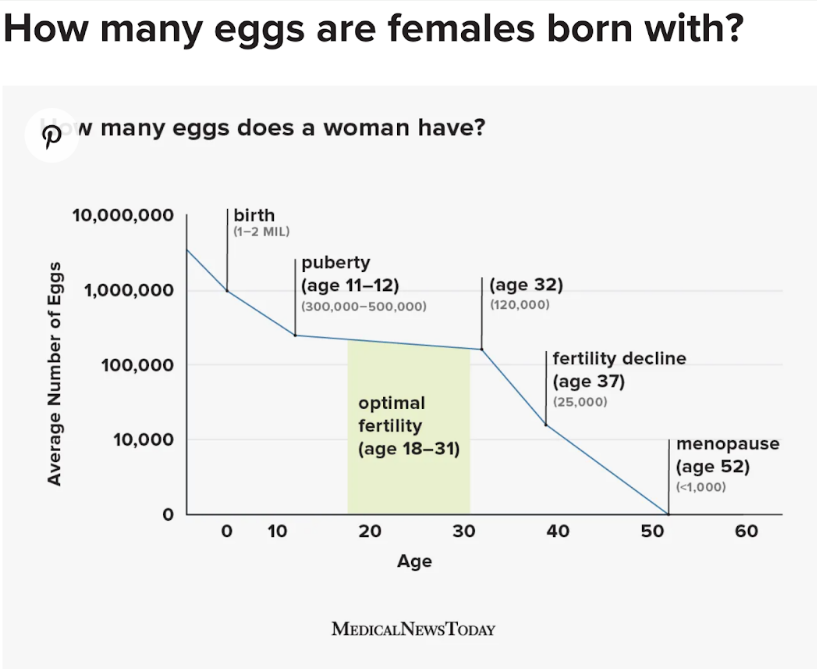
The numbers speak for themselves - A female fetus has about 6 to 7 million eggs halfway through pregnancy, which drops to 1 to 2 million at birth. In her 30s, a woman has around 120,000 eggs. Her ability to get pregnant starts to decrease at age 32, and by age 37, she has about 25,000 eggs left. The number of eggs keeps going down until menopause when fewer than 1,000 remain.
But what if you could press pause on your biological clock? Fertility preservation offers just that possibility: a chance to take control of your reproductive future.
One of the most popular and effective methods is egg freezing, also known as oocyte cryopreservation. Here, a woman's eggs (oocytes) are frozen for future use in assisted reproductive technologies (ART), such as in vitro fertilisation (IVF). This allows women to delay pregnancy for personal or medical reasons while preserving their fertility potential.
Don’t let time control your fertility. Discover how oocyte freezing can empower your reproductive choices.
Our fertility specialists at Renew Healthcare encounter patients with misconceptions about oocyte freezing all the time, which causes a lot of unnecessary worry for women considering this option. So, let’s separate fact from fiction, shall we?
Myths vs. Facts
Myth: Egg freezing is a new and experimental procedure.
Fact: Egg freezing has been around for over 30 years, and the technology has become remarkably successful. In fact, the first baby born from frozen eggs was born in 1986.
Myth: Freezing your eggs damages your natural fertility.
Fact: Not true! Your ovaries contain many eggs at birth, but only a few mature and ovulate over your lifetime. Egg freezing simply retrieves some of those immature eggs before they ovulate. It doesn't affect your remaining supply or future chances of conceiving naturally.
Myth: Only women in their 30s should consider egg freezing.
Fact: While your fertility naturally declines with age, egg freezing is a great option for women of any age who want to preserve their options.
It benefits women who wish to delay childbearing due to career goals, those undergoing medical treatments that could impact fertility (e.g., cancer treatment), or women with a family history of early menopause. However, the quality and quantity of eggs retrieved are highest in your late 20s and early 30s, so if you're considering it, don't wait too long!
← Back to all blogs
Source: https://www.medicalnewstoday.com/articles/how-many-eggs-does-a-woman-have
Myth: Frozen eggs are less likely to result in a healthy pregnancy. Fact: Not at all! Studies show that pregnancy success rates using frozen eggs are similar to those using fresh eggs. Myth: Egg freezing guarantees you'll get pregnant later. Fact: While egg freezing offers a valuable tool for preserving fertility, success rates depend on several factors, primarily age and the number of eggs frozen. Younger women with more eggs have a better chance of achieving pregnancy using frozen eggs. A new study shows a 31% jump in pregnancy rates for women who freeze their eggs before 38 and thaw a larger number (more than 20). Myth: Egg freezing is prohibitively expensive for most people Fact: The cost of egg freezing in India varies depending on the medication and the number of eggs retrieved. Renew Healthcare offers transparent pricing and can discuss potential insurance coverage options and financial planning strategies. Myth: The procedure for freezing eggs is painful and highly invasive Fact: Egg retrieval is a minimally invasive procedure performed under sedation or light anaesthesia, minimising discomfort. Pain management techniques are employed to ensure your comfort. Let’s find out more about how this is done. The Process of Oocyte Freezing at Renew Healthcare:- Initial Consultation: This crucial first step involves meeting with a Renew Healthcare fertility specialist to discuss your goals and medical history.
- Hormone Stimulation: Fertility medications stimulate your ovaries and encourage the production of multiple mature eggs.
- Egg Retrieval: A minimally invasive procedure using transvaginal ultrasound-guided aspiration retrieves mature eggs from the ovaries.
- Egg Freezing: Our state-of-the-art lab uses vitrification, a rapid freezing egg procedure that prevents ice crystal formation and protects the integrity of your eggs.
- Storage: Frozen eggs are safely stored in cryopreservation tanks with liquid nitrogen, ensuring their viability for future use.
- Thawing and Fertilization: When you're ready to conceive, the frozen eggs are thawed and fertilised with sperm in a lab setting to create embryos.
- Embryo Transfer: The healthiest embryo(s) are then transferred to your uterus, increasing your chances of a successful pregnancy.
- Egg freezing empowers women to extend their fertile window, offering valuable time flexibility for family planning.
- Having the option to freeze their eggs can provide women with peace of mind and a sense of control over their reproductive future.
- Egg freezing is a well-established procedure, not experimental, having been used successfully for over three decades to help women preserve their fertility for future use.
- While egg freezing can be beneficial at any age, the best egg quantity and quality results are typically seen in women in their late 20s to early 30s. However, it is also viable for younger women and those undergoing specific medical treatments.
- The cost of egg freezing in India is variable. It can be more affordable than many realise, with options for financial planning and potential insurance coverage through providers like Renew Healthcare.
- The process of egg freezing involves hormone stimulation, egg retrieval through a minimally invasive procedure, and vitrification for storage, all aimed at maximising future fertility potential.
- Egg freezing offers women control over their reproductive timeline, allowing them to delay pregnancy for personal, medical, or career reasons without worrying about the decreasing fertility that comes with age.