The Link Between AMH Levels and IVF Success: What the Science Says
Medically reviewed by Dr. Rajeev Agarwal, MBBS, MD (O&G), WBMC52540 · Last reviewed: October 24, 2026
May 31, 20246 min readRenew Healthcare
Introduction:
When you’re trying to conceive - you will probably be required to undergo a battery of testing regularly. One test you will encounter is the Anti-Müllerian Hormone (AMH) test. What does AMH testing have to do with IVF success? Let’s dive in and find out!
How is AMH produced?
Each female egg resides within a tiny sac in the ovary called a follicle. AMH is a hormone produced by these follicles, specifically by the granulosa cells surrounding the developing eggs, which helps regulate the growth and development of the ovarian follicles. Higher AMH levels generally indicate a larger pool of eggs, while lower levels suggest a smaller reserve.
Understanding AMH: A Peek, Not the Whole Picture, When It Comes to Fertility
Your ovaries produce AMH, a hormone that offers a glimpse into your remaining egg supply. Think of your ovaries as an egg bank. You are born with a fixed number of eggs which decrease as you age. AMH levels reflect how many eggs are left in your "basket."
An AMH test can be a helpful tool, but it's important to understand its limitations. Here's the catch:
AMH Suggests, Not Defines: A low AMH level might indicate fewer eggs remaining (diminished ovarian reserve or DOR). However, it's not a definitive measure.
Egg Quality Matters: AMH tells you the quantity of eggs but not their quality - how well they can be fertilised. You could have a low number of eggs, but some might still be very healthy.
The Takeaway:
Doctors sometimes use AMH as a fertility test, but it's not the whole story. While a low AMH can be a sign of a lower egg count, it doesn't guarantee infertility.
How AMH helps predict fertility options
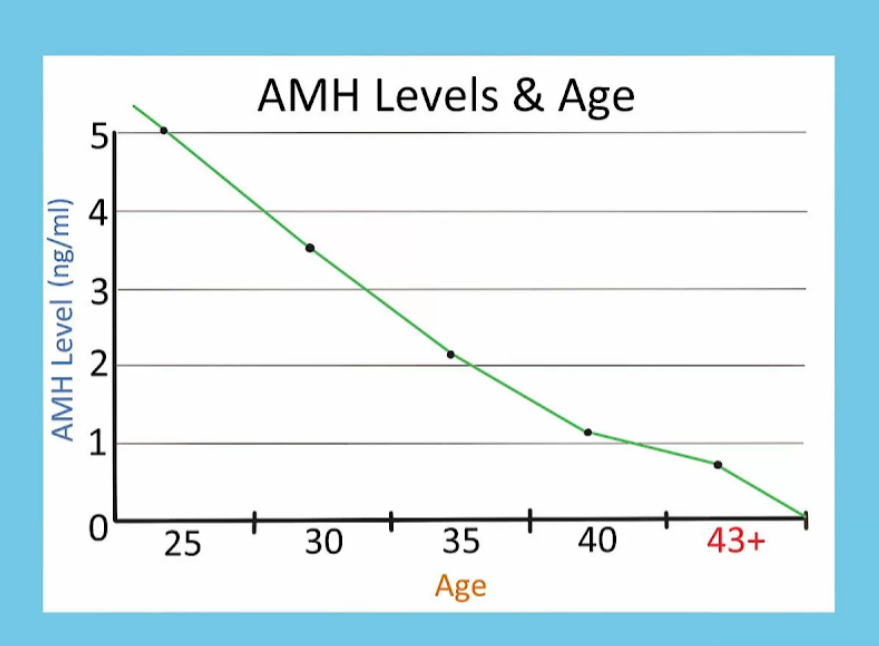
As you age, the number and quality of eggs in your ovaries naturally decline. This is called ovarian ageing. The Anti-Müllerian Hormone (AMH) acts as a marker for this decline.
Here's what AMH levels can tell us:
Higher AMH: Generally indicates a larger reserve of eggs, potentially making treatments like In Vitro Fertilization (IVF) more successful.
Lower AMH (around 0.7 ng/ml): Suggests a lower number of eggs, potentially impacting response to fertility medications used in IVF.
Very Low AMH (below 0.1-0.35 ng/ml): This may indicate a very low egg reserve, increasing the risk of cancelling IVF cycles due to poor response.
Remember: AMH is just one piece of the puzzle. Your doctor will consider your age, overall health, and other factors to determine the best approach for achieving pregnancy.
Measuring AMH Levels
The AMH test is a simple blood test. Here's what to expect:
Preparation: No special preparation is usually required. You can eat and drink normally beforehand.
Blood Draw: A phlebotomist will draw a small amount of blood from your arm.
Analysis: The blood sample is sent to a lab for analysis to measure the AMH concentration.
When and Why is AMH Testing Done?
Doctors may recommend AMH testing for various reasons:
Planning a Pregnancy: This test can be helpful if you're considering getting pregnant and want to understand your fertility window.
Exploring Fertility Treatments: AMH levels can guide doctors in recommending the most suitable fertility treatments like In Vitro Fertilization (IVF).
Understanding Ovarian Function: AMH testing can also assess overall ovarian function, especially for women experiencing irregular periods or concerns about diminished ovarian reserve.
Variations in AMH Levels
While age is a significant factor, other aspects can also influence AMH levels:
AMH and Early Menopause: A very low AMH for your age could be a sign that menopause might start earlier than usual.
AMH and PCOS: Surprisingly, an unusually high AMH level might indicate Polycystic Ovary Syndrome (PCOS). This hormonal imbalance can make getting pregnant more challenging.
Non-cancerous ovarian growths: In some cases, benign tumours or cysts on the ovaries can produce AMH, leading to a falsely high reading.
AMH and Egg Freezing: AMH plays a key role for women considering egg freezing. It helps predict how many eggs you might be able to freeze in a single cycle, providing valuable information for planning this fertility preservation option.
Lifestyle Factors: While not extensively studied, smoking and specific health conditions might impact AMH.
Your doctor will interpret your AMH level in the context of your age, overall health, and fertility goals.
Can You Increase AMH Levels?
Unfortunately, there's no proven way to increase AMH levels directly. However, focusing on healthy lifestyle choices can optimise your overall health and potentially improve egg quality:
Maintain a Healthy Weight: Being overweight or underweight can impact fertility.
Eat a Balanced Diet: Ensure your diet is rich in nutrients essential for reproductive health.
Manage Stress: Chronic stress can have negative effects on fertility.
Consider Supplements: Consult your doctor about prenatal vitamins or supplements promoting egg health (evidence is ongoing).
Consult your doctor to interpret your AMH levels and discuss your individual fertility goals.
Renew Healthcare: Your Partner on the Path to Parenthood
Understanding your AMH levels is just one step in your fertility journey. At Renew Healthcare, we strive to be your trusted partner on the path to parenthood. Our team of experienced fertility specialists offers comprehensive consultations to discuss your AMH results, explore all your fertility options, and create a personalised plan to help you achieve your family-building dreams.
We offer a wide range of services, including:
Fertility consultations: Our experts will discuss your AMH levels, overall health, and fertility goals to create a personalised treatment plan.
Advanced fertility treatments: We offer various options like IVF, IUI, and egg freezing to help you overcome challenges and achieve pregnancy.
Supportive environment: We understand the emotional aspects of fertility struggles. Our team provides a caring and supportive environment throughout your journey.
Don't let fertility concerns prevent you from building your family. Contact Renew Healthcare today to schedule a consultation and take the first step toward your parenthood goals.
Key Takeaways:
AMH is a hormone that reflects your remaining egg supply, impacting IVF success rates.
AMH levels suggest, not define, your egg count. Quality also matters for fertilisation.
A simple blood test measures AMH levels, offering a snapshot of your ovarian reserve.
AMH testing helps doctors recommend suitable fertility treatments like IVF based on your individual needs.
While AMH can't be directly increased, healthy lifestyle choices can optimise overall health and improve egg quality.


 Remember: AMH is just one piece of the puzzle. Your doctor will consider your age, overall health, and other factors to determine the best approach for achieving pregnancy.