
IVF & IUI

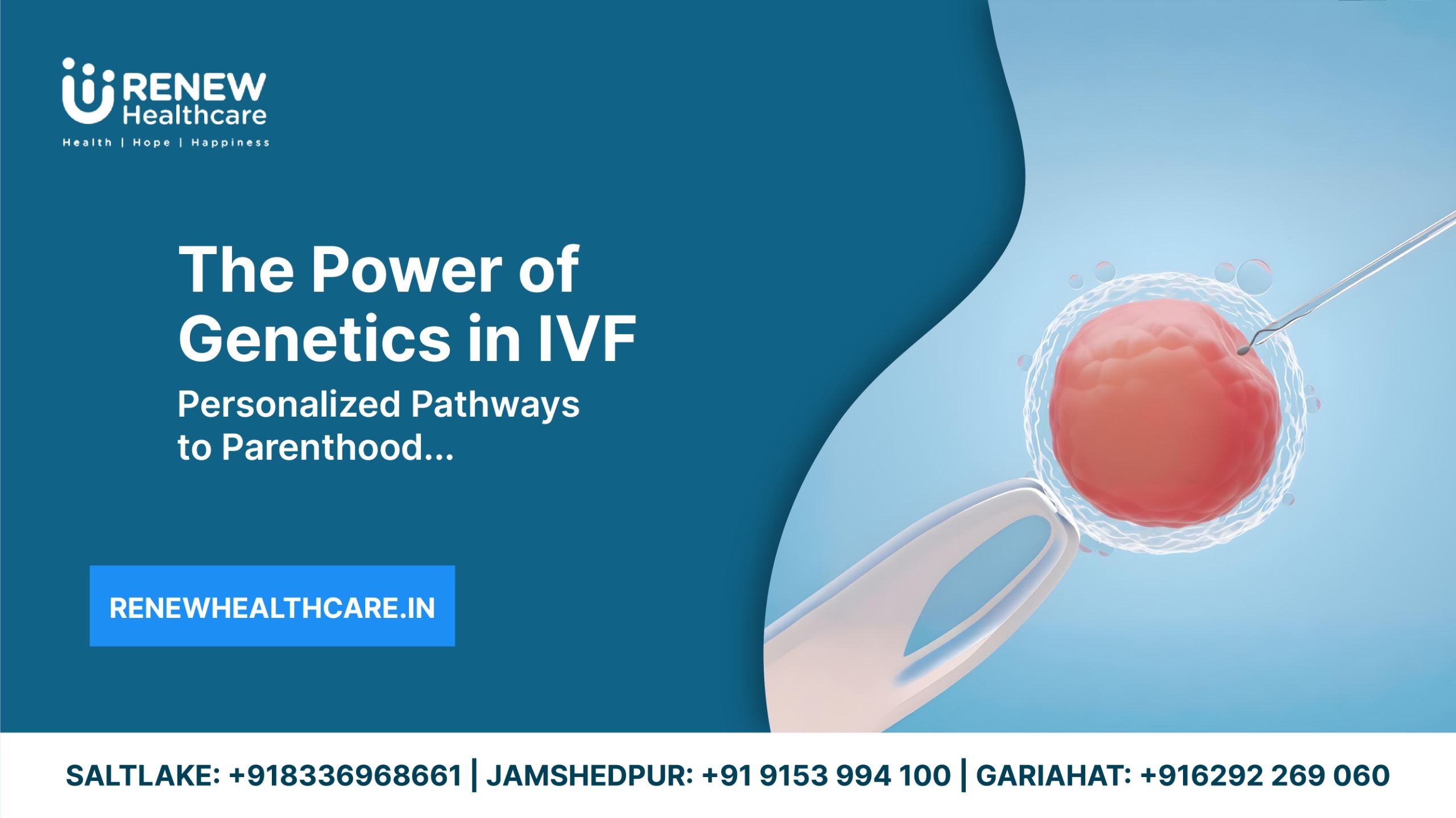
The Power of Genetics in IVF: Personalized Pathways to Parenthood

The Power of Genetics in IVF: Personalized Pathways to Parenthood
In vitro fertilization (IVF) has revolutionized reproductive medicine, offering hope to millions of couples struggling with infertility. Yet, despite remarkable technological advances, the success of IVF remains dependent on the identification and correction of underlying causes. Genetic science is rapidly transforming this landscape, enabling personalized protocols that go far beyond conventional hormone manipulation. From diagnosing the root causes of male and female infertility to guiding embryo selection and uncovering immunological incompatibilities, genetics now plays a pivotal role in optimizing IVF success rates.  

 1. Male Infertility: From Azoospermia to Genetic Clarity

Male infertility accounts for nearly 40% of all infertility cases, and genetic testing has become an essential diagnostic tool in evaluating sperm abnormalities. Men presenting with azoospermia or severe oligospermia often harbor identifiable genetic causes such as:
  • Klinefelter syndrome (47,XXY) – a chromosomal aneuploidy associated with non-obstructive azoospermia.
  • Y-chromosome microdeletions (AZF regions) – deletions in the AZFa, AZFb, or AZFc regions affecting spermatogenesis.
  • CFTR gene mutations – commonly seen in men with congenital bilateral absence of the vas deferens (CBAVD), mimicking obstructive azoospermia.
Identifying these abnormalities not only confirms the etiology but also informs prognosis, TESE candidacy, and the risk of transmission to offspring, where preimplantation genetic testing (PGT) can be offered by a skilled IVF fertility specialist.  

2. Female Infertility: Genetics Beyond Hormones

In women, genetic evaluation can uncover monogenic and chromosomal causes of infertility such as:
  • Premature Ovarian Insufficiency (POI) associated with FMR1 premutations or other gene variants.
  • PCOS with candidate gene polymorphisms (e.g., FSHR, LHCGR) influencing follicular sensitivity and treatment response.
  • Endometriosis and implantation failure, which may involve variants in genes related to inflammation, coagulation, or hormone metabolism.
Such insights allow clinicians at a low-cost IVF centre in Kolkata to tailor stimulation protocols, avoid over-response or poor response, and enhance the personalization of ovarian stimulation.  

3. Polymorphisms That Guide Protocol Selection

Several gene polymorphisms now serve as pharmacogenomic markers to refine IVF stimulation protocols:
  • FSHR and LHR polymorphisms affect gonadotropin receptor sensitivity and may guide the dose and choice of gonadotropins.
  • AMH and CYP19A1 variants can influence estradiol production and ovarian reserve interpretation.
  • TP53 and VEGF polymorphisms may influence implantation potential and endometrial receptivity.
Testing for these polymorphisms enables clinicians to move away from a one-size-fits-all approach and adopt precision medicine in ART, as practiced by leading IVF doctors in Kolkata teams.  

4. Recurrent Pregnancy Loss (RPL): Genetic Roots and Solutions

Genetics plays a critical role in understanding and managing recurrent pregnancy loss (RPL):
  • Parental karyotyping may uncover balanced translocations leading to unviable embryos.
  • Thrombophilia gene mutations (e.g., Factor V Leiden, MTHFR) may underlie placental insufficiency.
  • Embryonic aneuploidy is the most common cause of early miscarriages, especially with advancing maternal age.
Here, Preimplantation Genetic Testing for Aneuploidy (PGT-A) becomes an invaluable tool. By selecting chromosomally normal embryos, PGT-A reduces miscarriage risk and improves implantation outcomes, making it a widely used tool at any Genetic centre in Kolkata.  

5. Immunogenetics and Implantation Failure

The maternal-fetal immunological interface is crucial for embryo acceptance. Immunogenetic mismatches or dysregulation can lead to implantation failure or pregnancy loss:
  • KIR-HLA-C interactions: Certain combinations between maternal Killer-cell Immunoglobulin-like Receptors (KIR) and fetal HLA-C genes influence uterine NK cell activation and placental development.
  • HLA matching: Excessive similarity between partners may lead to immune tolerance failure.
  • Autoimmune predispositions such as anti-nuclear antibodies or APLA (Antiphospholipid antibodies) can also be genetically linked and cause uterine hostility.
In such cases, immunogenetic profiling helps identify women who may benefit from immunomodulatory protocols, including corticosteroids, IVIG, or lymphocyte immunotherapy. Clinics like an IUI Clinic in Kolkata may include this evaluation as part of their advanced fertility assessments.  

6. PGT: Precision Embryo Selection and Planning for a Healthy Child

With advanced genetic testing, we can now screen embryos for:
  • Chromosomal aneuploidies (PGT-A)
  • Monogenic disorders (PGT-M)
  • Structural rearrangements (PGT-SR)
PGT enhances the efficiency of IVF in Kolkata, especially in couples with advanced maternal age, known genetic conditions, or repeated implantation failures. Importantly, IVF combined with PGT-M allows couples with a known risk of transmitting a genetic disease (e.g., thalassemia, cystic fibrosis, spinal muscular atrophy) to select unaffected embryos, ensuring a healthy child. This is particularly valuable in consanguineous families or in those with a previously affected child. The ability to prevent the birth of a child with a severe inherited disorder is one of the most powerful uses of genetics in assisted reproduction and is a key service offered by the best IVF clinic in Kolkata.  

Conclusion: Genetics is the Future of IVF

From diagnostics to decision-making, genetics has become the cornerstone of evidence-based, personalized reproductive care. It empowers couples with informed choices, reduces trial-and-error in IVF cycles, and brings us closer to the ultimate goal: a healthy baby with the least emotional and financial toll. As the field continues to evolve, integrating genomics, immunology, AI in IVF, and even insights into how diet can improve fertility, will further refine the fertility journey—turning hope into reality for families worldwide, even in cities where IVF cost in Jamshedpur remains a deciding factor for many.
← Back to all blogs
Need guidance?

Book Your Appointment

Speak with Renew Healthcare for the right next step in your journey.