Request Call Back

Fertility problems can get in the way of parenthood. These can affect the health of both men and women, making it impossible for them to become a father or mother at any point of time in life. As any infertility specialist in Kolkata will tell you, genetic factors in males and females can play a major role in the fertility journey of both sexes. Find out why and how the role of genetic in male and female can affect fertility
When it comes to men, genes regulate sperm quality and sperm production. These can have an important role in determining sperm structure, sperm motility, and sperm count.
Genetics is also a major determining factor in hormone regulation. It can influence the production of hormones such as testosterone, which are essential for male reproductive health and sperm production.
It is also important to note that genetic conditions, such as Klinefelter Syndrome, which involves additional X chromosomes, can have a negative impact on sperm production.
Cystic Fibrosis (CF) and Kallmann Syndrome are two other genetic disorders that can impair fertility in men. In Cystic Fibrosis (CF), mutations in the CFTR gene can lead to Congenital Bilateral Absence of the Vas Deferens (CBAVD), leading to azoospermia.
A rare genetic disorder, Kallmann Syndrome has a negative impact on both the pituitary gland and the hypothalamus. This leads to an insufficiency in the hormones that are necessary for puberty and sperm production.
Genes can influence how many eggs a woman is born with and how fast there is a deterioration of the number of eggs deteriorates with age. Genetic factors also have a big impact on the quality and health of eggs, including their ability to be fertilized. Genes regulate egg release from the ovary, a process that is necessary for fertility.
As in case of male, even in females, genes have an impact on the production of hormones that control the menstrual cycle, ovulation, and overall reproductive health.
Chromosomal abnormalities like Turner Syndrome that involve abnormal or missing sex chromosomes can negatively impact ovarian function. The quantity and quality of female eggs are also affected by mutations in particular genes.
Both male and female infertility can be treated in a proper, well-equipped IVF clinic with expert doctors and cutting-edge technologies. Diagnostic testing are as follows:
1.Karyotype analysis
In this test, the structure and number of chromosomes are examined, for the identification of any chromosomal abnormalities.
2.Whole Exome sequencing
The test involves proper evaluation of the protein-coding regions of the genome. It helps to detect any mutation in gene.
It is essential to understand that some fertility problems are hereditary. Genetic conditions that can give rise to infertility may or may not be inherited by succeeding generations. If there is a family history of infertility or any other genetic disorders, there can be a higher risk of genetic factors that can contribute to infertility.
It can play a major role in both male and female fertility, affecting sperm count, sperm motility, egg quality, ovarian reserve, sperm production, and overall reproductive function.
Yes, according to Renew Health Care infertility specialist, genetic disorders can affect both sexes. These can affect sperm quality and production in men, and can also affect egg quality, ovarian reserve in women.
Some common genetic tests for fertility issues include karyotype analysis, whole exome sequencing, Y-chromosome microdeletion analysis, CFTR gene mutation testing, and preimplantation genetic testing (PGT).
Yes, it is possible. According to estimates, genetic disorders can be a contributory factor in around 30% cases of infertility.
These can lead to birth defects, recurrent miscarriages, and infertility. Such issues can occur due to errors during the formation of sperm or during early embryonic development.
Yes, it is possible, especially while considering ART fertility treatments. It can be useful in identifying underlying genetic factors that might cause fertility challenges. Couples can benefit from counselling and get a proper idea about the kind of reproductive options that they have.
The guidance and tips of infertility specialists can go a long way to help single patients and couples to understand the role of genetics in infertility. They can maximize their chances of pregnancy with the right steps.

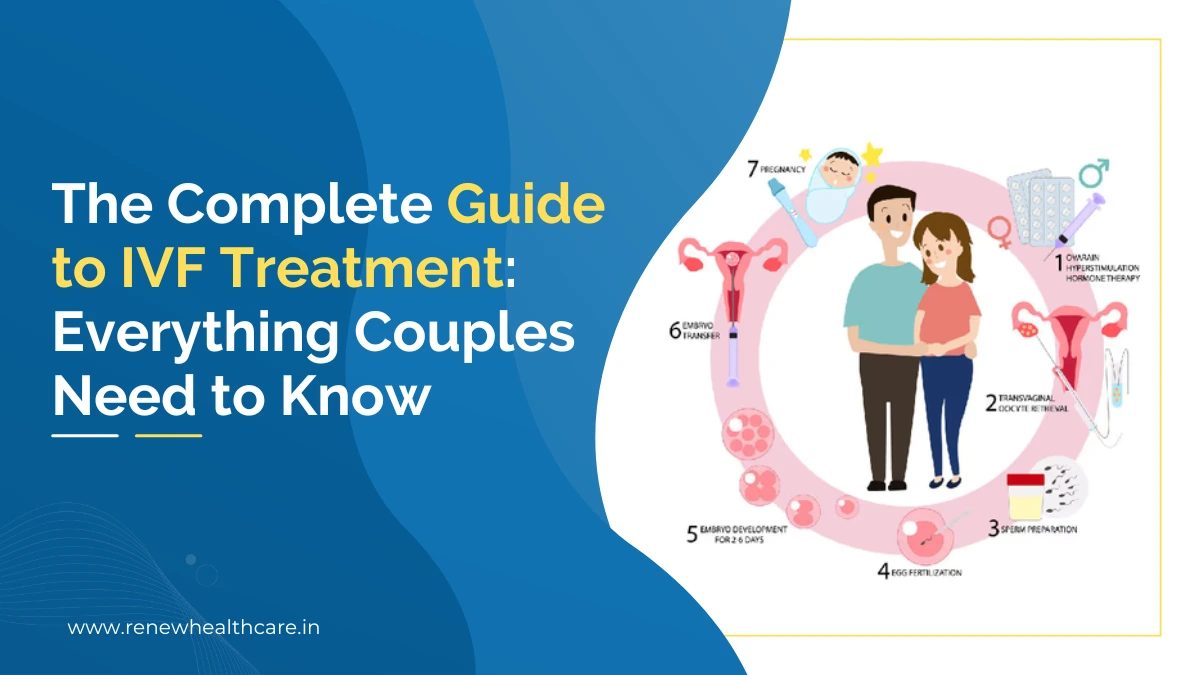
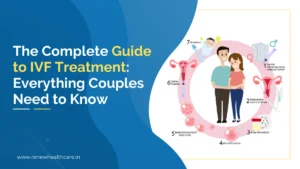
If you are here after another negative test or before your first IVF appointment you are in the right place....

“One conversation I have almost every week in my clinic is with couples who wish they had come six months...

Why Asking the Right Questions Before IVF Treatment Can Change Everything Walking into that first appointment with a fertility doctor...

ভূমিকা আজকাল অনেক দম্পতি বন্ধ্যাত্বের সমস্যা নিয়ে চিন্তিত হয়ে পড়ছেন। IVF, IUI, এবং ICSI-এর মতো অত্যাধুনিক বন্ধ্যাত্ব চিকিৎসার পাশাপাশি, বেশ...

ভূমিকা হস্তমৈথূন একটি স্বাভাবিক প্রতিক্রিয়া যেটা প্রত্যেক পুরুষ তার বয়স বা জৈবিক তাড়নার জন্য করে থাকে। তা সত্ত্বেও বহু মানুষের...
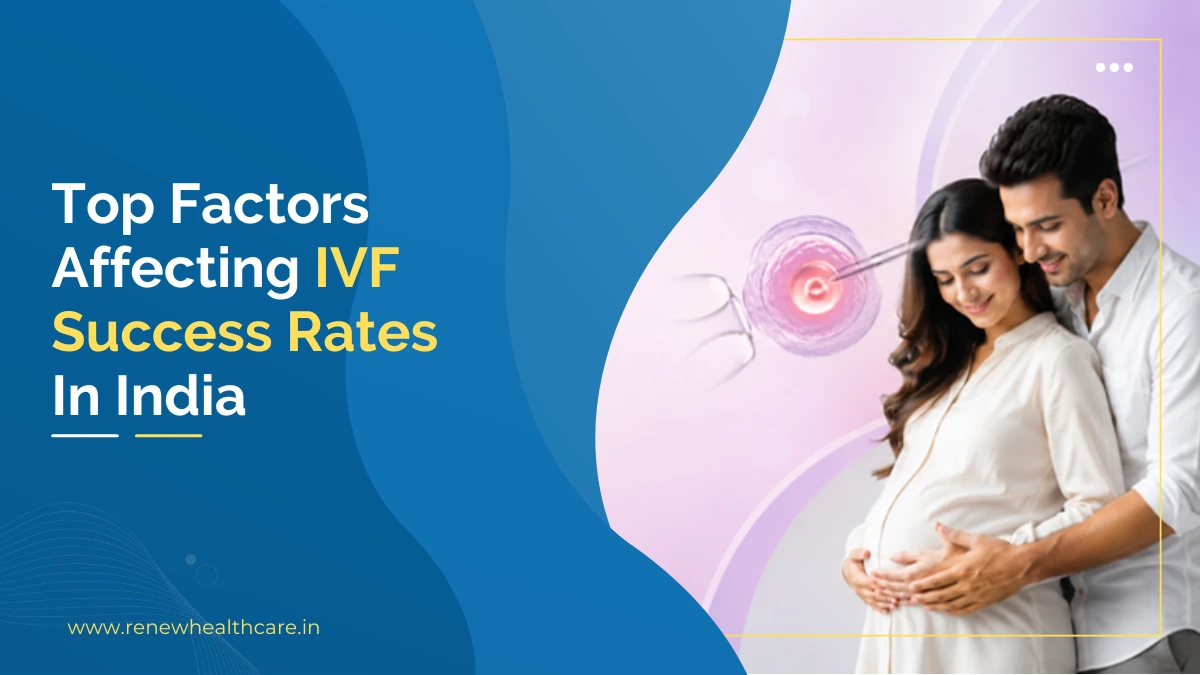
In vitro fertilization abbreviated as IVF is a popular and highly effective method of assisted reproduction. Over the years with the...

ভূমিকা যেসব নারী তাদের প্রজনন ক্ষমতা বা উর্বরতা যাচাই করছেন, তাদের ক্ষেত্রে প্রায়শই AMH পরীক্ষাটি করা হয়ে থাকে। যদি এই...
Even if you are not trying to conceive, your uterus is preparing itself for pregnancy every month. During that preparation,...
If you’ve been trying to conceive and have started looking into fertility treatments, you’ve mostly come across both the terms:...
Pregnancy dating can be confusing. At 2 weeks pregnant, based on your last menstrual period, ovulation may just be happening....
Disclaimer :- The content shared by Renew Healthcare is intended for informational purposes only and should not be considered medical advice. For accurate diagnosis and personalized fertility care, please consult a qualified healthcare professional.