Request Call Back

The IVF journey can be one of the most emotionally intense experiences a couple faces. From hormone injections and medical tests to waiting for embryo transfer results, every step brings its own mix of hope, stress, and uncertainty. While IVF is a medical treatment, it is equally an emotional and relational journey. Couples who support each other, stay connected, and approach challenges as a team often cope better and feel more emotionally balanced throughout the process.
Strengthening your bond during IVF doesn’t mean eliminating stress altogether — it means learning how to face the journey together, understanding each other’s emotional needs, and offering support in ways that feel meaningful and reassuring. The journey becomes much easier when partners walk through it side by side.
IVF triggers a wide spectrum of emotions for both partners. Women often undergo the physical strain of injections, ultrasounds, and hormonal changes, but the emotional impact affects both partners equally.
One of the biggest emotional challenges is the fear of the unknown. Will the treatment work? Will the embryo grow? Will this cycle bring happy news? The waiting periods — especially after embryo transfer — can create intense anxiety.
Many individuals blame themselves for infertility, even when the cause is completely out of their control. Women may feel guilty about their egg quality or medical conditions, while men may feel guilt about sperm parameters. This emotional burden silently affects mental health unless addressed with compassion.
Societal expectations often amplify stress. Well-meaning relatives may ask insensitive questions about pregnancy plans. Couples also struggle with the pressure of announcing every cycle, coping with failed attempts, or responding to unsolicited advice.
IVF can sometimes create emotional distance. Partners may avoid discussing their fears to protect each other but end up feeling isolated instead. The stress of planning finances, scheduling appointments, and coordinating work-life balance can strain even the strongest relationships.
Recognizing these emotional challenges is the first step toward supporting each other genuinely and effectively.
Maintaining emotional closeness during IVF requires conscious effort. Small changes in daily interactions can help couples feel more supported and united.
Talk about your fears, expectations, and concerns without judgment. Ask your partner what they need — reassurance, space, or simply a listening ear. Honest conversations help reduce misunderstandings and make the journey feel less overwhelming.
Accompanying each other to consultations, ultrasounds, or injections strengthens emotional support. Even if one partner is not required medically, being physically present shows commitment and reinforces the message: “We’re in this together.”
Hormonal treatments can lead to mood swings, fatigue, or irritability. Instead of reacting emotionally, try understanding the physical and emotional burden your partner is experiencing. A little extra patience can prevent unnecessary conflicts and make your partner feel safe and supported.
A follicle growing well, a good embryo report, a successful egg retrieval — each step matters. Celebrate small wins with small gestures like a dinner date, a handwritten note, or simply acknowledging the progress out loud. These positive moments help reduce the emotional heaviness of the journey.
Decide who you want to share updates with — friends, family, no one, or only a select few. Setting boundaries together reduces external pressure and makes the journey feel more private and manageable.
IVF can consume your daily life. Taking breaks to engage in stress-free activities — a walk, movie night, meditation session, or short getaway — can help recharge your emotional batteries.
It’s completely normal to seek professional help during fertility treatments. In fact, emotional support is one of the strongest predictors of how well couples handle the IVF process.
A fertility counselor helps couples understand their emotions, improve communication, and cope with expectations. Counseling provides a neutral space to process feelings that may be difficult to express at home.
Therapy helps partners explore deeper fears, relationship stress, self-esteem issues, and coping strategies. When both partners attend sessions together, it strengthens understanding and emotional resilience.
Connecting with others who are going through the same journey can be empowering. Support groups provide reassurance, reduce isolation, and offer insights from couples on similar IVF paths.
Programs that combine meditation, yoga, breathing techniques, and mindfulness are proven to reduce IVF stress and improve emotional well-being.
Seeking emotional support isn’t a sign of weakness — it’s a proactive step toward strengthening your relationship.
At Renew Healthcare, IVF is not just about medication and procedures. We believe that emotional health plays a vital role in fertility success. That’s why we integrate mental and emotional wellness into every fertility plan.
Our in-house fertility counselors help couples navigate emotional ups and downs, identify stress triggers, and develop healthy communication strategies.
Renew Healthcare offers yoga, meditation, and stress-reduction therapies specifically designed for fertility patients. These sessions help regulate hormones, improve emotional balance, and prepare the mind and body for treatment.
We encourage partners to attend appointments together and involve both individuals in every stage of decision-making. Couples receive guidance on how to stay emotionally connected and united during the IVF cycle.
Our team ensures that every couple feels cared for, heard, and supported — medically and emotionally. The goal is not just a positive pregnancy but a healthier, stronger relationship throughout the journey.
The IVF journey is both challenging and transformative, and the emotional strength of a couple plays a powerful role in navigating this experience. When partners stand together — communicating, showing empathy, celebrating progress, and seeking help when needed — the path becomes more manageable and meaningful.
Success in IVF isn’t just about science; it’s about connection, resilience, and emotional teamwork. By supporting each other wholeheartedly, couples can turn the IVF journey into a shared story of courage, love, and hope.
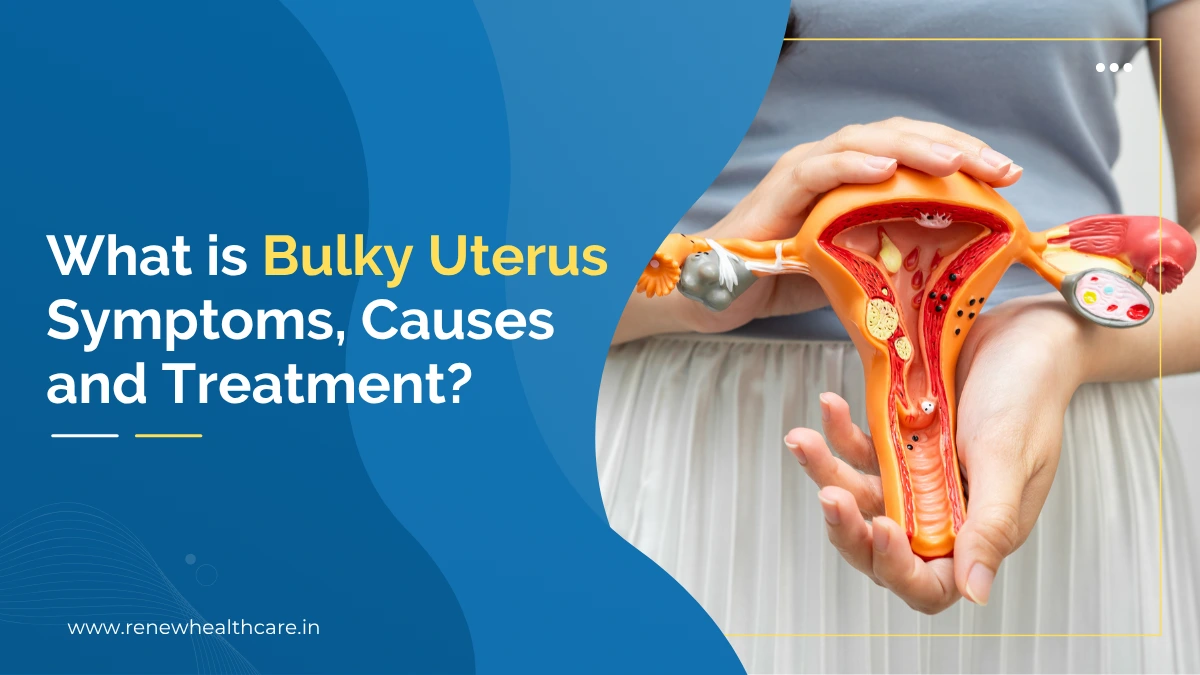

During IVF, you may hear terms like "Grade A embryo," "blastocyst quality," or "ICM and TE grading." Many couples feel...

Planning a pregnancy is one of the most meaningful steps in your life — but the journey doesn’t begin only...

IVF Success Starts Before the Embryo Transfer When couples begin their IVF journey, most focus on medical technology: the lab...

Male fertility is not the subject of much discussion. Even when it is being discussed, the focus is more on...

Male fertility is closely associated with the health of sperm. A healthy sperm count and strong motility are essential for...

Introduction At 37, Anjali was excited and nervous when she learned she was pregnant. Like many women today, she chose...
Angelina Jolie Did It, Should You? Weighing the Pros and Cons of BRCA Testing Introduction Angelina Jolie's decision to undergo...
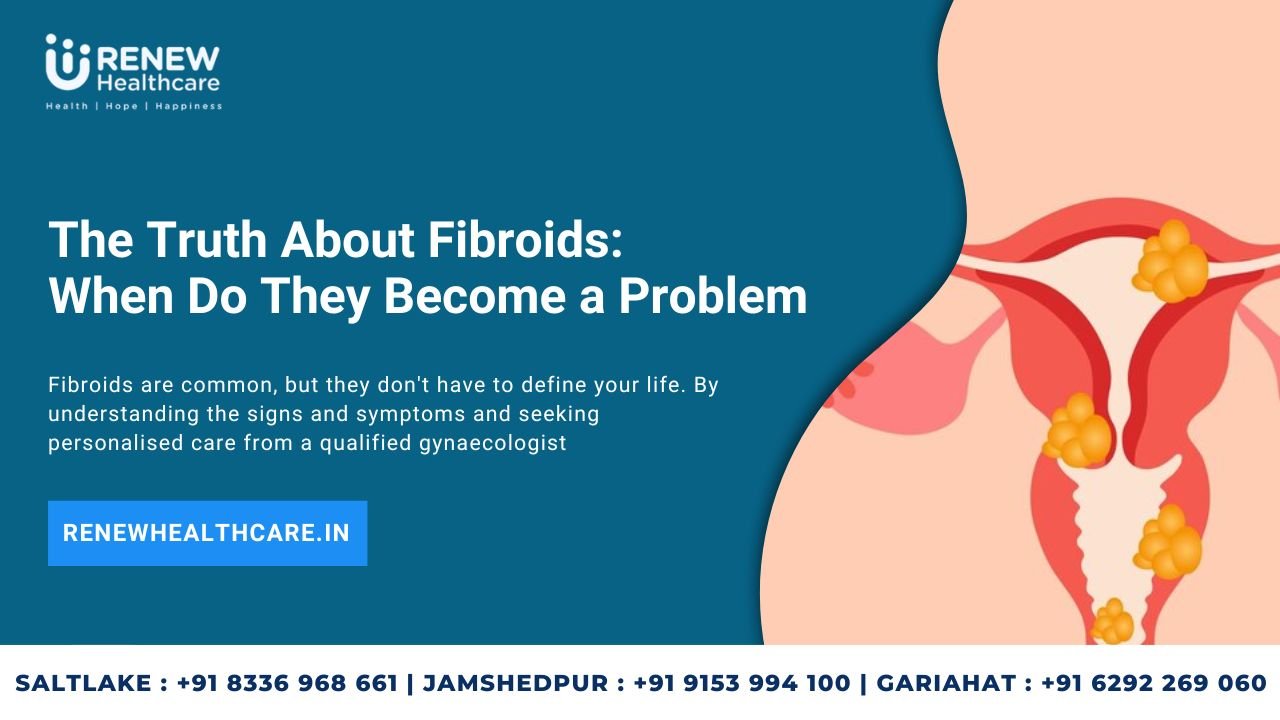
Meet Priyanka, a busy marketing professional. Lately, her periods have become heavy and unpredictable. Cramping disrupts her workday, and she’s...
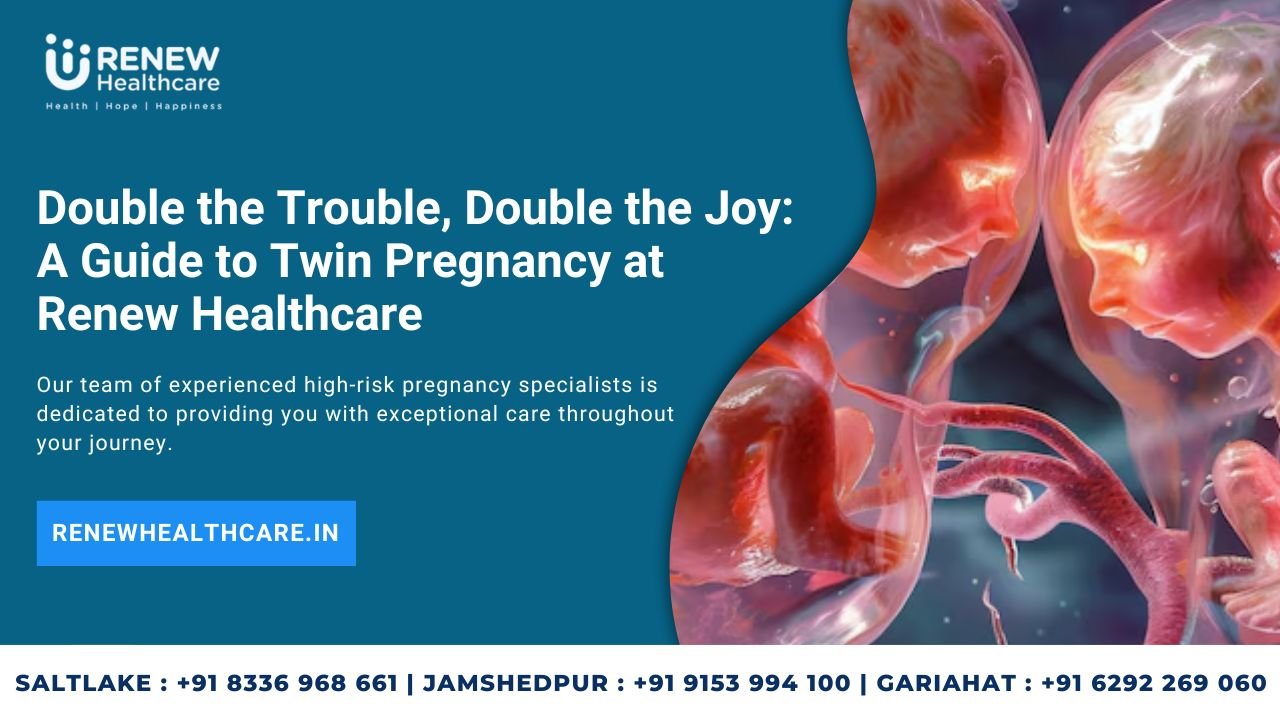
Have you seen two little heartbeats flickering on an ultrasound screen? Double the love, double the joy – that's the...

Role of IVF in Overcoming Infertility Challenges in Endometriosis Endometriosis is an often painful disorder in which tissue similar to...