Request Call Back
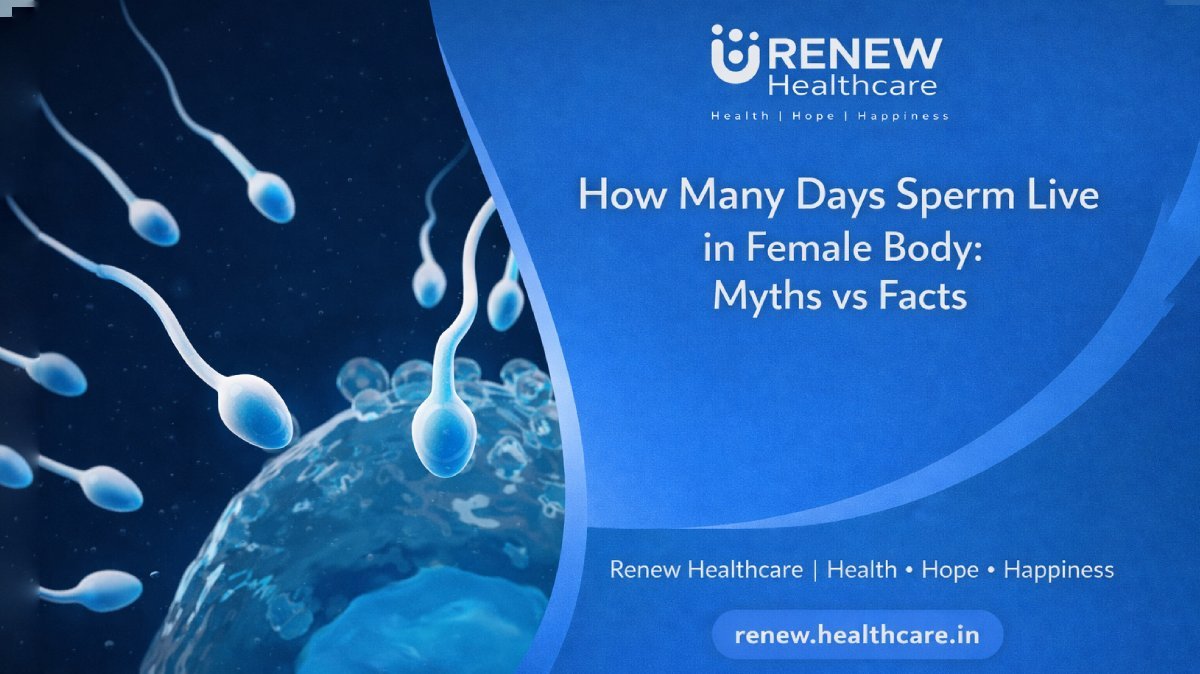
For couples’ understanding fertility is not just about biology. It is a journey of hope, timing, and at times anxiety. One of the most frequently asked questions in reproductive health is how many days is sperm alive in the female body after intercourse. There are many myths surrounding this and misinformation can create unnecessary stress, especially for those couples who are actively trying to conceive.
Seeking guidance from a trusted fertility clinic in Kolkata can help clear these doubts with accurate medical advice, personalized fertility assessments, and the right treatment options to support your parenthood journey.
The truth is that the lifespan of sperm in the female body is influenced by natural hormonal changes, the fertile window, and overall reproductive health. When you know how long sperm live in the female body after intercourse, it can help you better understand your pregnancy chances, avoid confusion about ovulation timing, and make informed decisions about your reproductive journey. In this blog, we’re going to give you a lowdown of sperm survival in the female body, what affects it, and what it really means for conception and beyond.
On an average, sperm can survive up to 3 days inside the female reproductive tract. However, under ideal conditions, especially around ovulation, the sperm lifespan in the female body can also extend to five days. This means that even if intercourse happens several days before ovulation, pregnancy is still possible.
That is because the sperm can remain alive in the uterus and fallopian tubes waiting for the egg to be released. So when you ask how many days sperm survive inside a woman, the medically accepted answer is three to five days, depending on timing and conditions.
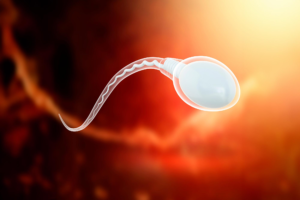
To understand the lifespan of sperm, let us take a look at what exactly happens after ejaculation.
After intercourse, millions of sperm enter the vagina. However, not all survive this journey. Many die within hours due to the naturally acidic vaginal environment.
On average:
During ovulation, the environment becomes very favourable. Fertile cervical mucus becomes thinner and more alkaline. This protects the sperm and supports movement. In such conditions,
The lifespan of sperm in vagina is not fixed. Several factors play a part in determining how long sperm will stay alive after intercourse.
Ovulation is the biggest role in sperm survival time. The fertile window is five days before ovulation and the day of ovulation. Since sperm life in the uterus can last up to five days, having intercourse during this period increases pregnancy chances significantly.
Cervical mucus changes throughout the menstrual cycle. Around ovulation, it becomes clear, stretchy, and less acidic. This helps the sperm swim easily and consequently increases sperm lifespan in the female reproductive tract. If a woman has infection, hormonal imbalance, or unhealthy vaginal condition, the sperm lifespan in the female body may reduce drastically, sometimes to just a few hours.
Male health can also affect sperm life. Factors that reduce sperm quality are:
Let us debunk some common misconceptions around the lifespan of sperm in the uterus.
Myth 1: Sperm die immediately after intercourse.
Fact: The sperm survival time in the female body can be up to 5 days.
Myth 2: Washing or urinating after intercourse removes sperm from the uterus.
Fact: Once sperm enters the cervix, they cannot be washed out.
Myth 3: Pregnancy can only happen on the day of ovulation.
Fact: Because of the extended lifespan of sperm in the uterus, pregnancy can happen from intercourse up to 5 days earlier.
Myth 4: Only one sperm matters, so count doesn’t matter.
Fact: While one sperm fertilises the egg, millions are needed to ensure a successful journey through the female reproductive tract.
If you have been trying to conceive for 12 months and you’re under the age of 35, or 6 months and you’re over the age of 35, it may be time to seek expert help. You can consider preconception counseling or advanced fertility testing at Renew Healthcare, recognized as the best fertility clinic in Kolkata and a trusted IVF Clinic in Kolkata. Every consultation, including expert evaluation and IUI Treatment in Kolkata, can help identify issues affecting sperm lifespan in the female body and improve your chances of a healthy pregnancy.
The lifespan of sperm in the female body is usually three days, but it can extend to five days around ovulation, when the conditions are favorable.
Healthy sperm can survive up to five days in the uterus, which means that pregnancy is possible even if intercourse happens a few days before ovulation.
Ovulation timing, cervical mucus quality, vaginal pH, female reproductive health, and male lifestyle habits can affect how long sperm stay alive after intercourse.
Popular Searches
Ivf Centre In Jamshedpur |Laparoscopy For Infertility Cost | Surrogacy Centre In Kolkata | ICSI Treatment In Kolkata | Egg Freezing Process In Kolkata
Popular Blogs
Sperm Health: How To Improve Motility And Count Naturally | Understanding The Two-Week Wait: Emotional And Physical Aspects | What Are The Five Stages Of Ivf Treatment | Can Diet Improve Male Fertility? A Look At Fertility Superfoods | Role Of Vitamins In Sperm Improvement | How Lifestyle Changes Are Affecting Male And Female Fertility
What Happens When You Release Sperm Daily? Even if they don’t talk about it openly, many men do have these...
What Is Bulky Uterus? If a doctor has ever told you that your uterus is bulky in size, it can...

So many men experience nightfall, but only a few feel comfortable talking about it openly. That is because many myths,...
What Is the HSG Test? The HSG full form is hysterosalpingography, and the imaging study itself is called a hysterosalpingogram....
Pregnancy can bring forth a number of physical and emotional changes. For many couples, it also raises a question on...
If you are exploring treatment options for infertility, wound healing or dealing with pregnancy complications, you may have come across...
The decision to choose permanent birth control options for men and women is a serious and personal choice for individuals...
Key Takeaway Your menstrual health is a reflection of your overall well-being. A delayed period can be your body's signal...

Key Takeaways A few small blood clots are usually nothing to worry about when your flow is heavy. If you...

Key Takeaways Learning how to prepare your body for pregnancy through intentional preconception care is one of the most important...
Disclaimer :- The content shared by Renew Healthcare is intended for informational purposes only and should not be considered medical advice. For accurate diagnosis and personalized fertility care, please consult a qualified healthcare professional.