Request Call Back
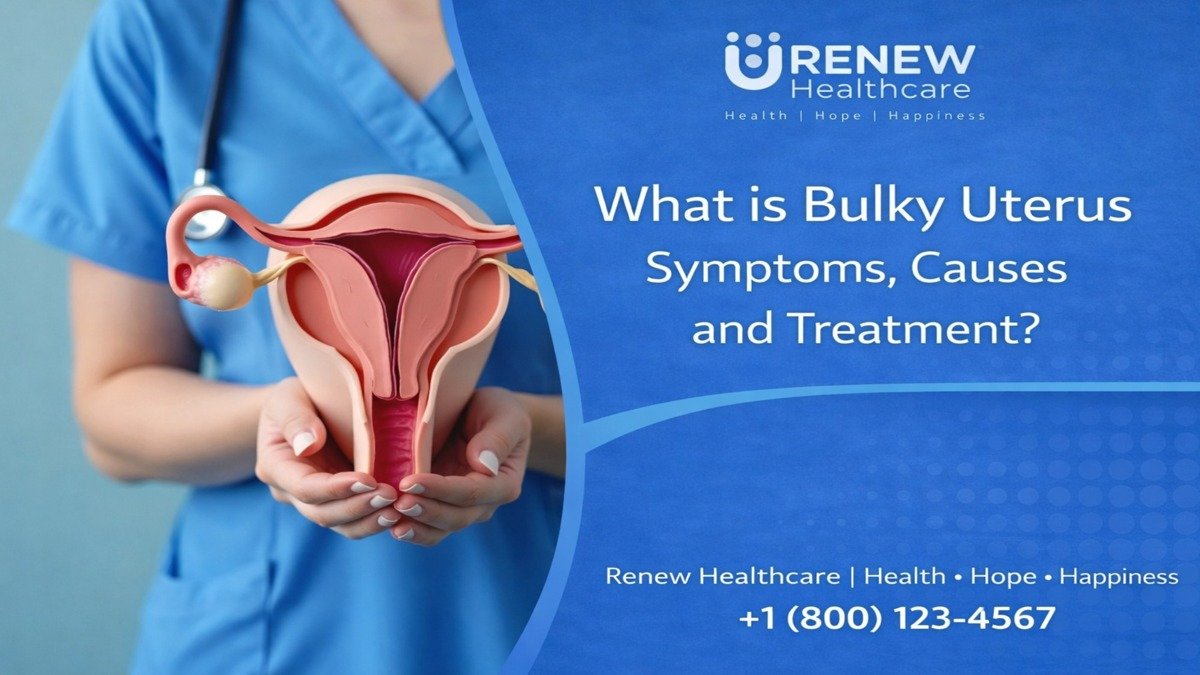
If a doctor has ever told you that your uterus is bulky in size, it can feel worrying at first. But let’s understand first what is the meaning of a bulky uterus?
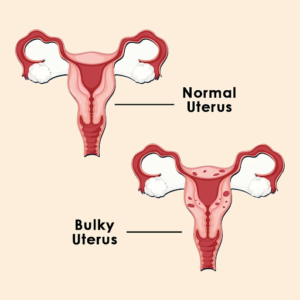
A bulky uterus means the uterus is larger than its normal size. Typically, the normal size of the uterus in cm is approximately 8 cm in length, 5 cm in width and 4 cm in thickness. When it grows beyond this, doctors may describe it as a bulky uterus.
So, what is a bulky uterus exactly? Is it a disease? No, it’s not. It’s a condition that may indicate an underlying issue such as fibroids, hormonal changes, or other gynaecological conditions.
Your body always gives you signals when something is off. But many times, women do not notice the symptoms early.
Some of the early and severe bulky uterus symptoms every woman should recognize are:
In cases of a bulky uterus with fibroids, symptoms can become more severe. If you’re planning to conceive, get proper guidance from a well-known IVF Clinic in Kolkata.
Understanding what is causing the bulky uterus helps to choose the right treatment. Here are the top medical and hormonal bulky uterus causes explained in detail:
These are the most common bulky uterus causes. Uterine fibroids are non-cancerous growths that develop in or around the uterus. They can be as small as a seed or grow large enough to noticeably change the size of the uterus.
When fibroids become large or multiple, they can expand the uterus, leading to a bulky uterus with fibroids. A bulky uterus with fibroids is frequently diagnosed during ultrasounds.
Adenomyosis happens when the inner lining of the uterus starts growing into the muscle layer. Makes the uterine wall thicker and swollen.
Over time this thickening can make the uterus feel enlarged. Women may experience intense cramps and heavy periods in this condition.
PCOS disrupts the normal cycle of building and shedding the uterine lining. When the lining isn’t shed properly every month, it can start to accumulate.
This buildup can cause inflammation and make the uterus appear larger than usual. It’s not always as dramatic as it sounds, but over time, it can cause a bulky uterus with thickened endometrium.
Ovarian cysts are fluid-filled sacs that form on the ovaries. Most of them are harmless and disappear on their own.
But when they grow larger, they can lead to bloating, discomfort, and sometimes a feeling that the uterus is itself enlarged.
Perimenopause is the phase that leads to menopause, and it comes with fluctuating hormone levels. Estrogen levels can rise and fall unpredictably, and that can temporarily affect the size of the uterus. This matters if you are in your late 30s or 40s.
This one is natural. During pregnancy, the uterus expands significantly to support the baby. Even after delivery, it takes time for it to shrink back to its original size.
While most causes of a bulky uterus are non-cancerous, there are rare cases where it can be linked to endometrial cancer.
This is more commonly seen in women after menopause. An enlarged uterus in such cases is usually accompanied by other warning signs, like abnormal bleeding.
The best bulky uterus treatment options, including medicines and surgery, depend on the cause and severity. Pelvic examination, ultrasound or transvaginal ultrasound, and MRI are the most recommended by doctors for a correct diagnosis.
The best bulky uterus treatment options are:
If symptoms are more intense or medication is not enough, doctors may suggest minimally invasive procedures that don’t involve major surgery:
When the symptoms are severe or other treatments don’t work, surgeries like myomectomy and hysterectomy may be considered by your doctor.
Can a bulky uterus affect fertility, pregnancy or overall reproductive health? This question is where most women began to worry.
A bulky uterus may:
If you’re trying to conceive, IUI Treatment in Kolkata or advanced procedures at an IVF Centre in Jamshedpur are the best options to consider.
A bulky uterus doesn’t always mean complications, but it can increase risk, such as:
With proper monitoring and care, many women still have healthy pregnancies. Consulting a trusted gynaecologist and obstetrician for a laparoscopy for infertility cost evaluation can help consider treatment options that suit you the best.
Lifestyle and habits matter more than we like to admit in fertility and reproductive health. Here’s how small changes in lifestyle can help:
A bulky uterus means the uterus is larger than its normal size of the uterus, but it’s not always something to worry about. Most cases of a bulky uterus are manageable with the right diagnosis and treatment. It can be medication, minor procedures, or fertility support from the most trusted fertility clinic in Kolkata.
If you are exploring advanced fertility options, consulting a reliable surrogacy centre in Kolkata can also help open up the right path to motherhood.
So if you’ve been thinking, is a bulky uterus good or bad? The simple answer is, it depends on the cause and how early it is addressed.
Uterus is bulky in size means the uterus is larger than the normal size of uterus in cm, usually due to conditions like fibroids, adenomyosis, or hormonal imbalance. So, when doctors say a bulky uterus means, they’re hinting at underlying causes that need evaluation; it’s not a disease by itself.
The most common bulky uterus symptoms include heavy or prolonged periods, passing clots, pelvic pain, bloating, frequent urination and painful cramps. In some cases, women may not notice any symptoms, especially in the early stages.
The most common bulky uterus causes are uterine fibroids, adenomyosis, hormonal imbalance, and conditions like PCOS. In some cases, a bulky uterus with fibroid or a bulky uterus with thickened endometrium is identified during diagnosis.
There is no one single treatment for all cases of bulky uterus. The best option depends on the cause and severity. Treatments may include medications, hormonal therapy, minimally invasive procedures or even surgery in more serious cases.
Yes, in some cases, a bulky uterus can affect fertility. Conditions like fibroids or adenomyosis may interfere with implantation or pregnancy. However, with the right treatment and medical support, many women are able to conceive naturally.
A bulky uterus is not always serious or even a problem. Whether a bulky uterus is good or bad depends on the cause. Many cases are manageable with proper diagnosis and timely treatment.

So many men experience nightfall, but only a few feel comfortable talking about it openly. That is because many myths,...

What Is the HSG Test? The HSG full form is hysterosalpingography, and the imaging study itself is called a hysterosalpingogram....

Pregnancy can bring forth a number of physical and emotional changes. For many couples, it also raises a question on...

If you are exploring treatment options for infertility, wound healing or dealing with pregnancy complications, you may have come across...

The decision to choose permanent birth control options for men and women is a serious and personal choice for individuals...

Key Takeaways Understanding how many days can sperm live in the female body can help couples make informed decisions about...

Key Takeaway Your menstrual health is a reflection of your overall well-being. A delayed period can be your body's signal...

Key Takeaways A few small blood clots are usually nothing to worry about when your flow is heavy. If you...

Key Takeaways Learning how to prepare your body for pregnancy through intentional preconception care is one of the most important...

Key Takeaways About 10% of women of reproductive age worldwide have endometriosis Pain from the condition can be way out...